Birth Order therapy FOR SOUTH ASIAN FAMILIES

South Asian family dynamics including birth order trauma and hidden sibling rivalries play out in Season 2 Bridgerton
Are you the eldest daughter who manages everyone's emotions, sacrifices your own needs, and carries your family's weight on your shoulders?
Or the youngest who people-pleases constantly, lives in someone's shadow, and struggles to be taken seriously?
Maybe you're somewhere in the middle—feeling invisible, mediating conflicts, trying to differentiate yourself from siblings who have clearer roles.
Your birth order shaped more than just family dynamics. It shaped how you see yourself, how you relate to others, and what patterns you're still living out in your adult life.
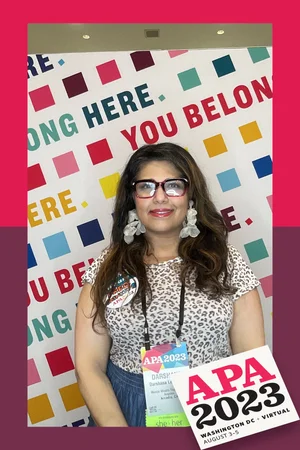
As a South Asian clinical psychologist with 26 years of experience, I work with adults who are ready to untangle who they actually are from the role their family needed them to play.
Take the quiz: Which Sharma sister are you?
Answer 10 questions to discover your birth order pattern and get your personalized therapy roadmap. Enter your email at the end to receive your personalized results with specific therapy focus areas for your pattern.
What is birth order trauma?
Birth order trauma isn't about the order you were born in. It's about the role your family needed you to play based on that position—and how that role became your identity.
Clinical patterns by birth order:
Eldest children (especially daughters):
Parentified—took on adult responsibilities too early
Hyperresponsible for others' well-being
Difficulty identifying their own needs
Worth tied to caretaking and achievement
Youngest children:
People-pleasing to earn conditional love
Infantilized but also pressured to succeed
Feelings dismissed as less important
Identity built on performance and approval
Middle children:
Feel invisible or forgotten
Become mediators and peacekeepers
Struggle with identity ("I'm not the responsible one or the baby")
Independence developed out of necessity
Only children:
Carry pressure of being "everything" to parents
Lack sibling support system
Adults early, children late
Perfectionism and achievement pressure
These patterns are shaped by:
Family dynamics and parenting style
Cultural expectations
Immigration and economic stress
Siblings' personalities and needs
Gender roles within the culture
Why birth order hits differently in South Asian families
While birth order patterns exist across cultures, South Asian families add specific layers of intensity.

These birth order wounds don't exist in isolation—they're shaped by generations of colonial conditioning that taught South Asians to suppress individual needs for collective survival. For a deeper look at how colonialism created these patterns, read: [What Bridgerton Erases: Colonial Trauma and South Asian Intergenerational Wounds →]
Birth order also intersects with class and power dynamics in ways the show rarely acknowledges. Sophie Baek's story in Bridgerton Season 4 shows how economic vulnerability makes authentic choice nearly impossible—regardless of birth order. Read more: [When Romance Meets Power: What Sophie Baek's Story Teaches About Consent →]
For LGBTQ+ South Asians, birth order wounds compound with identity suppression in uniquely painful ways. If you're queer and carry an eldest daughter or eldest son role, the weight of performing two identities simultaneously is its own specific burden. I explore this intersection here: [Coming Out When Your Family Doesn't Have the Words →]
Cultural expectations of duty (‘farz’, ‘kartavya’). South Asian culture emphasizes collective family needs over individual desires. Birth order determines how you serve those collective needs.
Eldest daughters often become:
Emotional caretakers for parents and siblings
Cultural translators (especially in immigrant families)
Family reputation managers
Second mothers to younger siblings
Youngest children often become:
The family's pride and achievement focus
Protected but pressured
Expected to honor the sacrifices older siblings made
Middle children often become:
Invisible mediators
The ones who accommodate everyone
Lost in the focus on eldest's responsibility and youngest's potential

Immigrant family dynamics amplify birth order roles
In immigrant South Asian families, birth order patterns intensify:
Eldest children:
Help parents navigate new culture (language, systems, bureaucracy)
Contribute financially earlier
Delay their own education/career to support family
Translate literally and culturally between parents and siblings
Younger children:
Benefit from older siblings' sacrifices (but carry guilt about it)
Face pressure to "make it worth it" through achievement
More Americanized, creating family conflict
Feel torn between two cultures
Gendered expectations compound birth order
Let's be direct: eldest sons and eldest daughters don't carry the same burden.
South Asian families often socialize daughters to be emotional caretakers regardless of birth order—but eldest daughters carry the most.
Eldest daughters:
Manage family emotions and relationships
Remember birthdays, organize gatherings, maintain connections
Mediate conflicts
This labor is invisible, endless, and expected
Eldest sons:
Expected to provide financially
Carry family name and legacy
Less emotional labor, more achievement pressure
Younger daughters:
Marriage and family reputation pressure
Protected but also controlled
Less autonomy than brothers

The Sharma sisters: Birth order patterns in Bridgerton
If you watched Bridgerton Season 2, you saw these patterns play out through Kate and Edwina Sharma.
This isn't just TV—these are clinically accurate portrayals of how birth order and culture create different wounds in the same family.
Kate: The eldest daughter burden
Kate Sharma embodies eldest daughter syndrome in South Asian families.
What we see Kate doing:
Managing everyone's emotions (anticipating needs, smoothing conflicts)
Sacrificing her own needs entirely (her desires don't register as possibilities)
Hyperresponsibility (everything feels like her job)
Cannot imagine wanting things for herself (choosing Anthony feels impossible)
What Kate learned:
My needs come last (or don't exist)
My worth = what I do for others
Wanting things for myself = selfish
I'm responsible for everyone's emotional well-being
This is parentification—when a child takes on adult emotional and practical responsibilities too early.
In South Asian families, this happens to eldest daughters through:
Cultural duty expectations
Immigrant family needs (translation, navigation, financial contribution)
Gendered emotional labor
Loss of a parent (like Kate's father dying)

What we see Edwina experiencing:
Living in Kate's shadow (constant comparison)
People-pleasing to earn worth (love feels conditional on success)
Feelings dismissed or minimized (decisions made "for her own good")
Infantilized but pressured (protected AND expected to achieve)
Performing for approval (being what everyone wants)
What Edwina learned:
I'm only valuable if I succeed/perform
My feelings matter less than others'
I need to be what everyone wants me to be
Love is something I earn, not something I deserve
This is conditional love and identity loss—your worth depends on meeting expectations, and your authentic self gets buried.
Same family, different survival strategies
Here's what's crucial: Kate and Edwina aren't better or worse than each other. They're both adapting to the same family system in the ways available based on their birth order.
The family dynamic created:
For Kate: You're responsible, so step up (hyperresponsibility)
For Edwina: You're protected, so succeed (conditional worth)
Both are burdens. Both create wounds that follow them into adulthood.
Signs your birth order is affecting your adult life
If you're the eldest daughter (Kate pattern):
In romantic relationships:
Choose partners who need caretaking
Suppress your needs to "keep the peace"
Struggle to believe someone could love you for who you are (not what you do)
Feel responsible for partner's emotions
At work:
Overfunction, taking on everyone's responsibilities
Can't delegate without anxiety
Say yes when you want to say no
Burnout feels inevitable
You're reliable but exhausted
In friendships:
Always the listener, never listened to
Give endlessly, rarely ask for support
When friends check in, you deflect—"I'm fine, how are YOU?"
Feel guilty taking up space
With mental health:
Don't recognize your own needs until crisis
Guilt about prioritizing yourself
Difficulty receiving help or support
Physical symptoms from chronic stress (headaches, digestive issues, pain)
If you're the youngest (Edwina pattern):
In romantic relationships:
Perform the version of yourself you think they want
Suppress anger or disappointment (fear of being "difficult")
Need constant reassurance they love the "real" you
Struggle with conflict (it threatens the relationship)
At work:
Overachieve to prove worth
Struggle to be taken seriously
Terrified of disappointing people
Imposter syndrome is constant
Can't believe compliments—they must be wrong
In friendships:
Agree with everyone to avoid conflict
Minimize your problems ("others have it worse")
Afraid if you stop being "fun" or "easy," people will leave
Struggle to express needs directly
With mental health:
Suppress feelings until they explode
Difficulty identifying what you actually feel
Perform "I'm fine" even when struggling
Anxiety about being authentic
If you're a middle child:
In relationships and work:
Feel overlooked or forgotten
Become the peacekeeper (everyone else's conflicts become yours)
Struggle with identity (who am I if I'm not eldest or youngest?)
Independence that feels like isolation
Difficulty asking for attention or support
With mental health:
Chronic feeling of "not mattering"
Adapt to everyone else, lose yourself
Fear of being too much or not enough
Loneliness even in groups
How birth order therapy works
Therapy for birth order patterns isn't about blaming your family or rejecting your culture. It's about untangling who you actually are from the role your family needed you to play.
What we work on in therapy:
1. Identifying your patterns without shame
For eldest daughters:
Recognizing hyperresponsibility as a survival strategy (not a personality flaw)
Understanding how parentification shaped your nervous system
Identifying when you're operating from childhood role vs. adult choice
For youngest children:
Seeing people-pleasing as adaptive (you learned love was conditional)
Understanding performance anxiety as protection
Recognizing when you're being authentic vs. performing
For middle children:
Validating the experience of invisibility
Understanding independence as survival, not preference
Recognizing your worth beyond peacekeeping role
2. Learning to identify and honor your needs
Many people come to therapy unable to answer: "What do you want?"
We start with:
Creating space to explore desires without guilt
Distinguishing between "shoulds" (family/culture expectations) and genuine wants
Practicing asking: "What would feel good to me?"
Building tolerance for putting yourself first sometimes
This is harder than it sounds. Decades of training taught you your needs don't matter. We go slow, with compassion.
3. Setting boundaries without burning bridges
Common fear: "If I set boundaries, I'll lose my family or become 'too American.'"
Reality: You can love your family AND have boundaries. These aren't mutually exclusive.
We practice:
Language that honors both your needs and cultural values
Saying no without apologizing excessively
Letting others feel disappointed without fixing it
Distinguishing between guilt (I did something wrong) and discomfort (this is unfamiliar)
Example boundary scripts:
"I care about you, and I can't take that on right now."
"I need to check my capacity before I commit."
"I'm not available for that, but here's what I can do."
4. Challenging core beliefs
Eldest daughters often believe:
"If I don't do it, it won't get done."
"My worth = my usefulness."
"Wanting things for myself = selfish."
"Others' needs > my needs, always."
Youngest children often believe:
"Love is conditional on achievement/performance."
"My feelings matter less than others'."
"If I show the real me, I'll be rejected."
"I have to earn my place everywhere."
In therapy, we:
Examine where these beliefs came from (they're learned, not truth)
Test them in safe ways (what happens if you don't fix everything? do people actually leave if you're authentic?)
Build new beliefs based on evidence, not childhood programming
5. Processing grief
There's real grief in recognizing:
You spent years putting yourself last
Your childhood emotional needs weren't met
You were given responsibilities you weren't ready for
You learned love was conditional when it should have been unconditional
You lost parts of yourself trying to be what everyone needed
We create space for this grief without rushing to "fix" it or "move on." Grief deserves to be honored.
6. Building a life aligned with your values, not just obligations
The ultimate goal:
Understanding what YOU actually value (separate from family expectations)
Building relationships based on genuine connection, not roles
Choosing work that fulfills you, not just makes others proud
Creating a life that's yours—not just an obligation you're fulfilling
Why cultural competency matters for birth order therapy
Not all therapists understand how culture and immigration shape birth order patterns.
Working with a culturally competent South Asian therapist means:
I understand the cultural context
I get that:
Duty (farz) isn't just guilt—it's a deeply held value
Family isn't optional in South Asian culture—it's identity
"Individualism" can feel selfish, not empowering
Code-switching between American and South Asian values creates internal conflict
I won't tell you to:
"Just cut off your family"
"Stop caring what your parents think"
"Choose yourself" without acknowledging cultural cost
I will help you:
Navigate both cultural contexts
Build boundaries that honor your values AND your cultural identity
Find balance between duty and autonomy
Make choices you can live with long-term
I understand immigration adds layers
Immigrant family birth order is different because:
Eldest children often parent their own parents (cultural/language translation)
Economic stress makes roles more rigid
Parents' sacrifices create profound guilt
Siblings have different relationships to heritage culture
"Success" carries family redemption, not just individual achievement
I offer therapy in Hindi and English
Language matters. Some concepts, some emotions, some family dynamics—they're easier to express in your mother tongue.
I offer therapy in both Hindi and English. We can code-switch mid-session. You can call your mother "Mummy" and I'll understand the specific relationship that word carries.
What healing looks like
Healing from birth order patterns doesn't mean:
Becoming selfish or uncaring
Rejecting your family or culture
Erasing your sense of responsibility
Becoming "too American"
It means:
Choosing when to help from a place of genuine care, not obligation
Having needs AND meeting others' needs (not just others)
Being a loving daughter/sister/family member AND being your own person
Honoring your cultural identity while building individual autonomy
Real client outcomes (details changed for confidentiality):
Eldest daughter, 34: "I can say no to my mom without spiraling into guilt. I still help her—but when I choose to, not because I'm terrified of disappointing her."
Youngest daughter, 28: "I'm learning what I actually want, separate from what everyone expects. It's scary, but also… freeing."
Middle child, 31: "I matter. I'm not just the invisible mediator. I can ask for things and it doesn't make me selfish."
Therapy specifics
What to expect:
First session:
I'll ask about your family structure, birth order, cultural background
We'll explore current patterns in relationships, work, mental health
You'll leave with clarity on what we'd work on together
Ongoing therapy:
Weekly 50-minute sessions (some clients prefer biweekly)
We work at your pace—this isn't rushed
Homework between sessions (noticing patterns, practicing boundaries)
I integrate psychodynamic, relational, and multicultural approaches
Timeline:
Some clients see shifts in 3-6 months
Deeper work often takes 6-12+ months
We check in regularly about progress and goals
Logistics:
Location:
In-person: Pasadena, CA
Virtual: Throughout California (licensed CA provider)
Languages:
English and Hindi
Code-switching welcome
Insurance:
I'm out-of-network but can provide superbills for reimbursement
Some clients use HSA/FSA
Sliding scale may be available—ask during consultation
Cost:
Discussed during free consultation based on your needs
You don't have to stay in your childhood role
Kate Sharma chose herself. Edwina discovered her own voice. You can too.
The weight you've carried since childhood doesn't have to define your adulthood. The role your family needed you to play doesn't have to be who you are forever.
You can be:
A loving eldest daughter AND have your own needs
A capable youngest child AND be taken seriously
A middle child AND be seen and valued
A good family member AND your own person
Therapy provides space to figure out who you are when you're not performing a role—and to build a life that reflects that true self.
Ready to start?
Book your free 20-minute consultation:
📞 Call: (626) 214-5366 📧 Email: drlele@mentalwealthinc.com 🌐 or click here: mentalwealthinc.com/contact
In the consultation, we'll discuss:
Your specific birth order patterns
What you're hoping to change
How therapy would work for your situation
Whether we're a good fit
No pressure, no commitment—just a conversation about what's possible.
About Dr. Darshana Lele
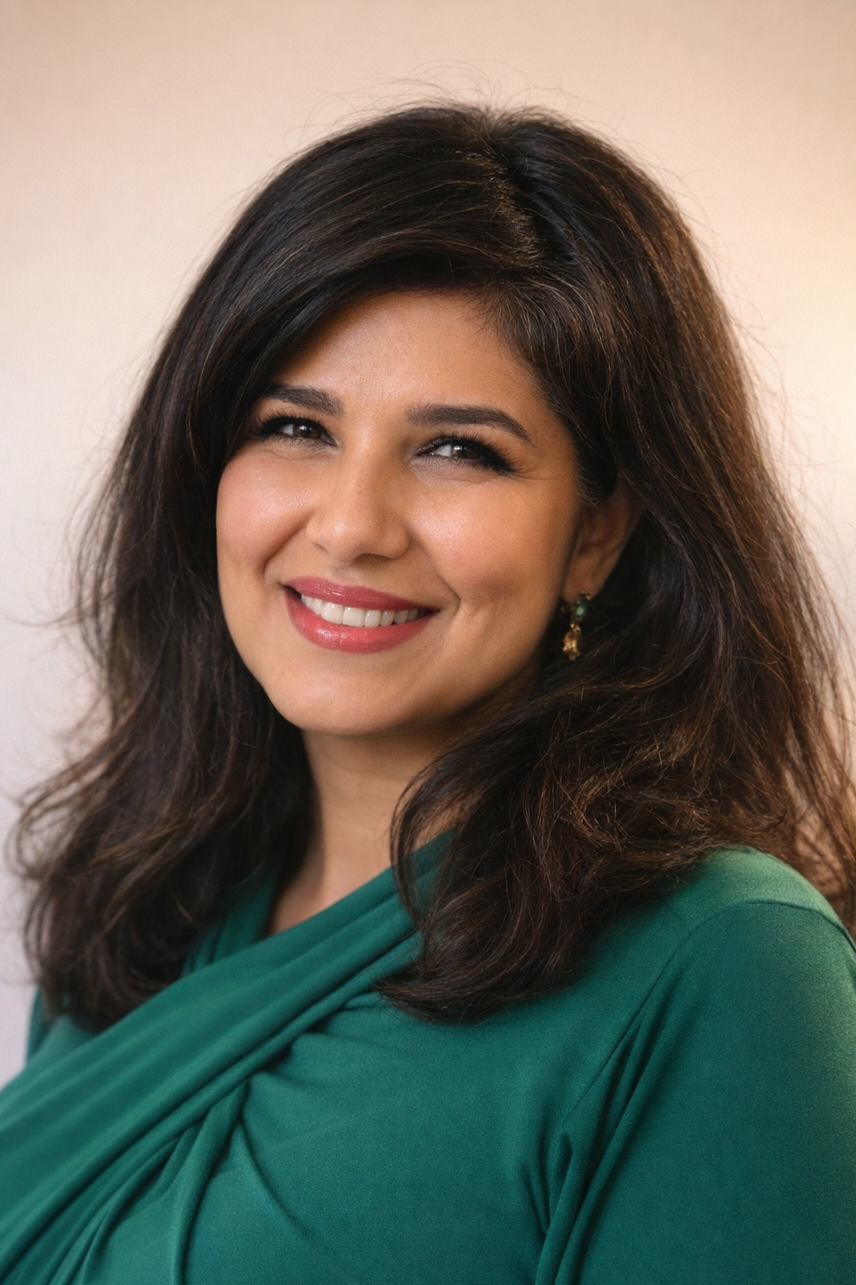
I'm a licensed clinical psychologist with 26 years of experience specializing in:
South Asian family dynamics and intergenerational patterns
LGBTQ+ affirming therapy
Trauma and PTSD
First and second-generation immigrant experiences
Identity and cultural navigation
I offer therapy in English and Hindi because some wounds are easier to heal in your mother tongue.
Education & credentials:
Ph.D. Clinical Psychology
Licensed in California (CA PSY#24852); New York coming soon
26 years clinical experience
I understand what it means to navigate between South Asian and American values, to carry family expectations while building your own life, and to love your family while needing boundaries.
You deserve support from someone who gets it.
Let's talk.
Frequently Asked Questions
How long does birth order therapy take? It varies. Some clients see significant shifts in 3-6 months. Deeper pattern work often takes 6-12+ months. We work at your pace.
Will therapy make me selfish or "too American"? No. Therapy helps you find balance between cultural values and individual needs. You can honor duty AND have boundaries. We navigate both worlds together.
What if my family finds out I'm in therapy? Therapy is completely confidential. You decide what (if anything) to share with family. Many clients keep therapy private initially.
Do you take insurance? I'm out-of-network but can provide superbills for potential reimbursement. We'll discuss cost and options in the free consultation.
Can I do therapy in Hindi? Yes. We can do full sessions in Hindi, full sessions in English, or code-switch between both.
What if I'm not sure therapy is right for me? That's what the free consultation is for. We'll talk about your situation and whether therapy makes sense. No pressure to commit.
I'm not South Asian—can I still work with you? Absolutely! While I specialize in South Asian families, I work with people of all backgrounds. Birth order patterns exist across cultures.
📝 Haven't taken the quiz yet? Click here to discover your birth order pattern and get your personalized therapy roadmap.

Dr. Darshana Lele, Ph.D., CA Psychologist #24852
Dr. Darshana Lele is a South Asian, Hindi-speaking clinical psychologist with 26 years of experience helping individuals and couples heal from trauma, anxiety, relationship challenges, and cultural pressures. As an LGBTQ+ affirmative, sex-positive trauma therapist, she helps clients understand how past relationships shape present patterns so they can build more authentic, connected, and fulfilling lives.
Learn more about her work with South Asian clients, LGBTQ+ clients, and couples therapy, or visit her About page.