Why You Keep Having the Same Fight

You've had this fight before.
The details change. The trigger changes.
Sometimes it's the dishes, sometimes it's money, sometimes it's something so small you can't even explain it to a friend without feeling embarrassed.
But the fight itself — the texture of it, the way it escalates, the wall you both hit — is always the same.
And afterward, there's a particular kind of exhaustion. Not just from the argument. From the recognition that you've been here before. That you'll be here again. And the hopelessness that it will never get better.
The fight isn't about what you think it’s about
Every couple has a recurring argument. Most believe, on some level, that if they could just resolve the surface issue — the chores, the finances, the family obligation — the fight would stop.
It won't.
Because the fight was never really about the surface issue.
Underneath almost every recurring couples conflict is something that doesn't get spoken directly: an unmet need. A fear. An old wound being activated by a present moment. Two people who love each other and have learned, somewhere along the way, to speak in arguments rather than in vulnerability.
The dishes are a proxy for I don't feel seen. The money argument is really I don't feel secure. The fight about family is actually I don't feel like we're a team.
When the real conversation can't happen, the surface one keeps coming back.
Why the real conversation is so hard
Most couples don't avoid the real conversation because they don't care. They avoid it because vulnerability is frightening — especially with the person whose opinion matters most.
There's a particular risk in being truly honest with a partner: if you tell them what you actually need and they can't meet it, you've lost something. So instead, most people argue about the proxy issue. It feels safer. It's also why nothing changes.
For many couples — particularly those navigating cultural expectations, family pressure, or histories that didn't model emotional directness — this dynamic runs especially deep. You may have been raised in households where needs weren't expressed, where conflict meant danger, where keeping the peace was more important than being honest. That training doesn't disappear in adulthood. It shows up in the bedroom, the kitchen, the car ride home from a difficult family dinner.
What the pattern is protecting
Here's what most couples don't realize: the fight serves a function.
It creates distance at exactly the moment when closeness feels risky. It's a way of saying I'm hurting without the vulnerability of saying I'm hurting. It keeps things moving when sitting in the real discomfort feels impossible.
Understanding what the pattern is protecting doesn't make it okay. But it makes it workable. Because once you can see what's actually happening, you have a choice about whether to keep doing it.
What changes in couples therapy
Couples therapy isn't conflict resolution training. It isn't learning to fight more nicely, or developing a communication script, or agreeing on rules.
It's learning to see what's actually happening — beneath the argument, beneath the defensiveness, beneath the thing you said that you can't unsay — and finding a way to speak to that directly.
In my work with couples, the shift usually comes when both people can say, even imperfectly, what they actually need — and the other person can hear it without it becoming a threat.
That shift doesn't happen overnight. But it is learnable. And it changes everything — not just the fight, but the relationship underneath it.
The fight doesn't have to keep happening
If you've been having the same argument for months or years and nothing is changing — that's not evidence that the relationship is broken. It's evidence that the pattern needs something it isn't getting.
I work with couples in Pasadena and virtually throughout California — including South Asian and intercultural couples navigating the specific dynamics of family, culture, and expectation alongside their relationship.
Free 20-minute consultation: (626) 214-5366 or mentalwealthinc.com/contact
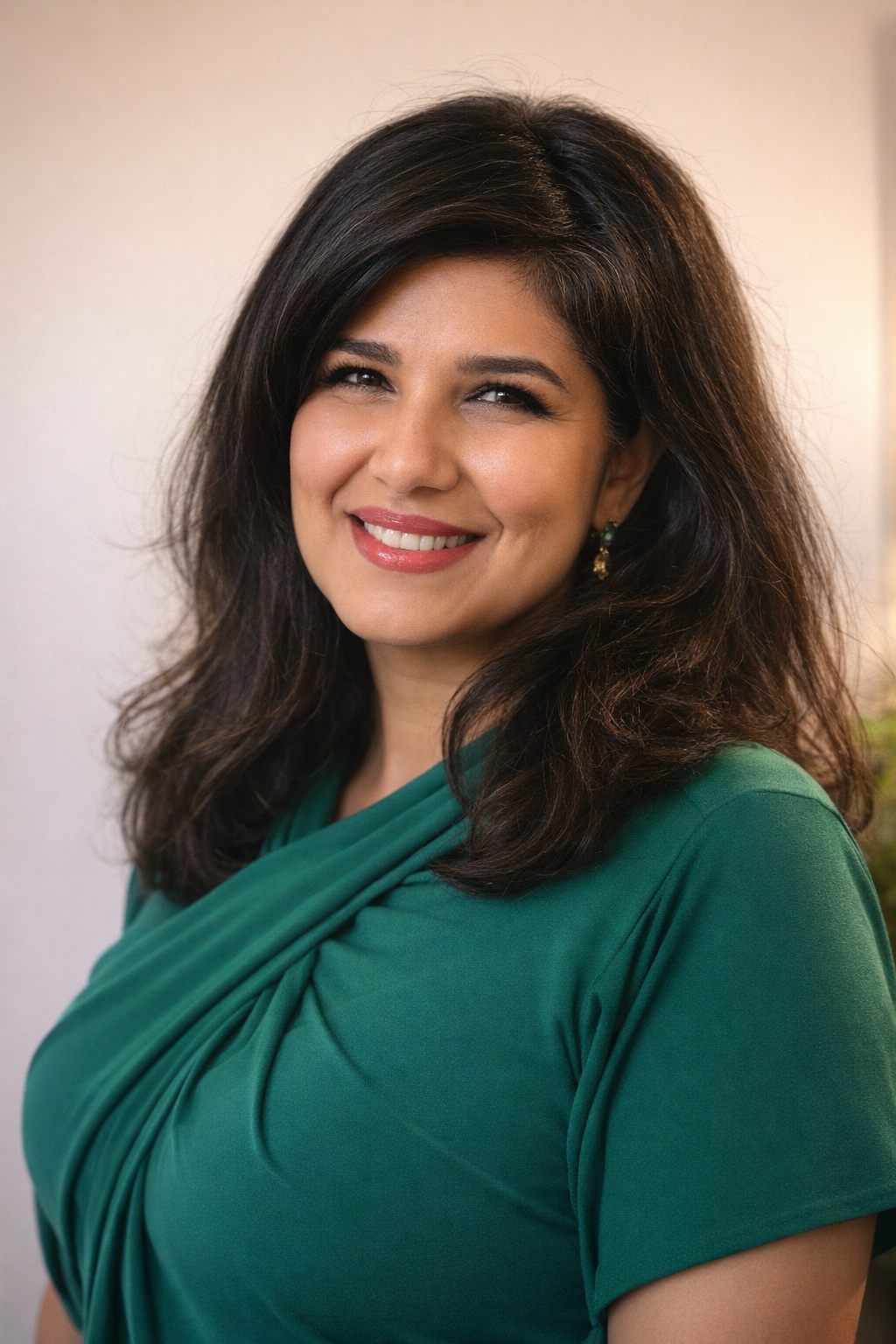
Dr. Darshana Lele, Ph.D., CA Psychologist #24852
Dr. Darshana Lele is a South Asian, Hindi-speaking clinical psychologist with 26 years of experience helping individuals and couples heal from trauma, anxiety, relationship challenges, and cultural pressures. As an LGBTQ+ affirmative, sex-positive trauma therapist, she helps clients understand how past relationships shape present patterns so they can build more authentic, connected, and fulfilling lives.
Learn more about her work with South Asian clients, LGBTQ+ clients, and couples therapy, or visit her About page.