The Psychological Side of CRPS Nobody Talks About
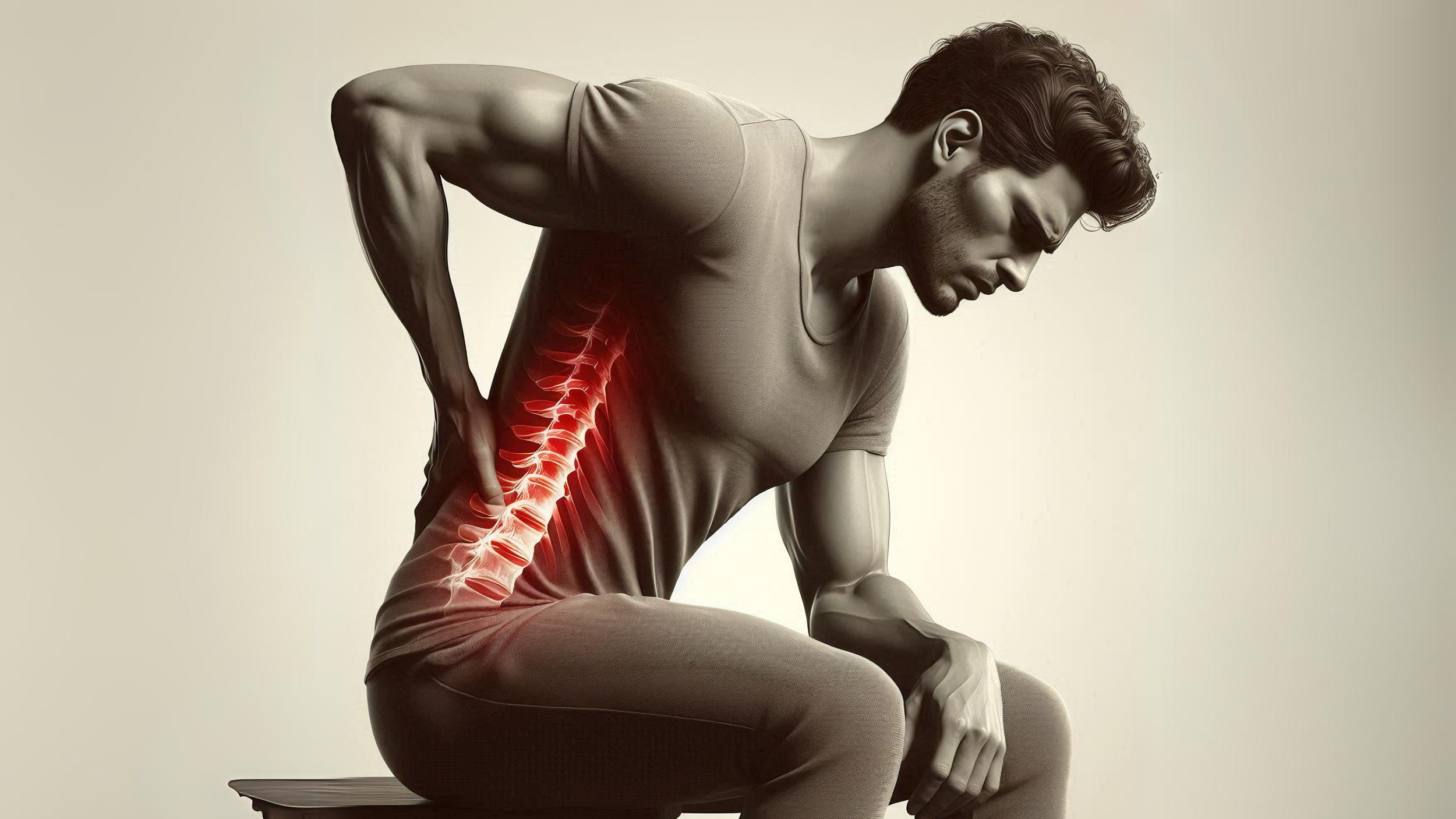
When people search for information about CRPS, they find information about pain.
The burning. The hypersensitivity. The spreading. The treatments. The specialists.
What they don't find — what almost nobody talks about — is what CRPS does to you as a person. Your mind. Your identity. Your relationships. Your sense of self worth.
I've had CRPS for sixteen years. I'm also a licensed clinical psychologist. And the psychological impact of this condition is, in my experience, as significant as the physical one — if not more; and almost entirely unaddressed by the medical system.
Don’t get me wrong- they are quick to diagnose us with being anxious, depressed, hypochrondriacs who exaggerate everything. Or present us in a slightly better light as having PTSD, give us the big Pharma meds and move on. But what about the grief ?
The grief nobody names
When you're diagnosed with CRPS, you lose things.
Not in the abstract. Concretely. The ability to do things you loved. Be or go to place unrestricted. The plans you had for your body. The future you assumed. The version of yourself — active, unrestricted, pain-free — that you didn't know you were attached to until it was gone.
And most importantly to experience joy & hapiness without feeling like it’s tainted with pain.
Or comfort, or security without worry that it might be gone any second.
This is grief. Real grief. With stages and weight and a timeline that doesn't follow anyone else's expectations.
But CRPS grief has a particular quality: it's ongoing. It doesn't follow a clear arc of loss and recovery. The condition can spread, progress, worsen. There are good days that create hope and bad days that shatter it. The grief isn't a single event — it's a recurring one. Like a nightmare that won’t go away.
There are days you wake up feeling like your nightmare was worse than reality and then days where you feel the opposite.
And in the middle of managing symptoms, navigating the medical system, getting your meds on time, and trying to maintain your life — there is rarely space to grieve properly. So most people don't.
The identity shift
CRPS doesn't just change what you can do. It changes who you are — or at least, who you thought you were.
If your identity was tied to your physical capability — your job, your role in the family, your independence, your athletic life, your body or it’s physical cababilities, your emotional capacity — CRPS creates a profound disruption. The person you were before the diagnosis doesn't fit anymore. And the person you need to become to live well with this condition hasn't been built yet.
That gap — between who you were and who you're becoming — is one of the loneliest places to live.
I've sat in that gap. It requires deliberate psychological work to move through it. Not to return to who you were before — that's rarely possible. But to build a genuine, sustainable identity that includes this condition without being consumed by it.
What it does to intimacy
Touch is complicated when touch hurts.
CRPS hypersensitivity (allydonia) means that physical contact — a hand on your arm, a hug, a partner reaching for you — can cause real pain. This has consequences for intimacy that most people with CRPS navigate largely alone, without resources designed for this specific experience.
Partners feel helpless and rejected. The person with CRPS feels guilty and isolated. The relationship, if not tended carefully, starts to carry the weight of the disease.
This is something therapy can directly address. Not by fixing the pain — but by helping both people understand what's happening, communicate about it honestly, and find ways to maintain intimacy that don't require physical contact to be pain-free.
Medical gaslighting and its psychological cost
Many people with CRPS have been told, at some point, that their pain isn't real. That they're exaggerating. That the tests show nothing and therefore something else must explain it.
The psychological cost of being disbelieved when you are in genuine suffering is significant. It creates a specific kind of wound — one that makes you doubt your own experience. One that makes you perform wellness even when you're not well. One that teaches you that vulnerability will be met with skepticism, so it's safer to keep the pain private.
Healing from medical gaslighting is part of the psychological work of CRPS. It means rebuilding trust in your own body's experience. It means finding providers — and relationships — where your reality is taken seriously.
If you are ready to get on our no-commitment informational consult or waitlist join below.
Read more about our CRPS virtual coaching program at CRPScoaching.com, email drdarshana@crpscoaching.com or call 626-214-5366. To read some of the content we will be covering in the group virtual coaching program, read on. I also have limited space for 1-on-1 coaching sessions. Contact me in the same ways listed above with subject line: 1-on-1 coaching.
If you are fed up going from provider to provider with no answers and getting more dead-ends you know you are ready to apply. Take the first step below. You will have an opportunity to talk to me directly about the benefits of the program and address any questions or concerns you have and only if we are a good fit for each other, will we move forward.
What therapy and coaching actually address
I want to be clear about this, because it matters:
Therapy and coaching for CRPS are not about accepting suffering passively. They are not about positive thinking or mind-over-matter.
They are about:
The grief — creating space to actually process the losses that come with this condition, so they don't accumulate into depression.
The identity work — building a self that is genuine, not just adapted. Finding meaning and purpose that doesn't depend on being pain-free.
The relationships — navigating what CRPS does to intimacy, family dynamics, and friendships. Building the communication tools to maintain genuine connection.
The nervous system — learning to regulate a dysregulated system. Not to eliminate pain, but to spend more time in a state where you can function, connect, and feel something other than survival mode.
The medical trauma — processing the experiences of disbelief, dismissal, and gaslighting that many CRPS patients carry.
The practical — building sustainable routines, understanding your triggers, learning to distinguish between pain and suffering so you have more agency over your experience.
September coaching community — now open for waitlist
In September, I'm opening a CRPS coaching community that addresses all of this directly — not just the medical management of CRPS, but the psychological, emotional, and relational impact.
Led by someone who has been navigating this for 16 years — and who has spent 26 years helping people navigate difficult psychological terrain.
If you're living with CRPS, join the waitlist. September is close.
Read more about our CRPS virtual coaching program at CRPScoaching.com, email drdarshana@crpscoaching.com or call 626-214-5366. I also have limited space for 1-on-1 coaching sessions. Contact me in the same ways listed above with subject line: 1-on-1 coaching.

Dr. Darshana Lele, Ph.D., CA Psychologist #24852
Dr. Darshana Lele is a South Asian, Hindi-speaking clinical psychologist with 26 years of experience helping individuals and couples heal from trauma, anxiety, relationship challenges, and cultural pressures. As an LGBTQ+ affirmative, sex-positive trauma therapist, she helps clients understand how past relationships shape present patterns so they can build more authentic, connected, and fulfilling lives.
Learn more about her work with South Asian clients, LGBTQ+ clients, and couples therapy, or visit her About page.