When "Romance" Meets Power: What Sophie Baek's Story Teaches Us About Class, Gender, and ConsenT

The fall Sophie Baek never recovered from
At sixteen, Sophie Baek's world collapsed overnight.
One day, she was a nobleman's daughter—illegitimate, yes, but provided for, educated, living in relative comfort. The next day, her father died. Her stepmother, who had always resented her existence, robbed her of her dowry and forced her into servitude. No wage. No protection. No way out.
For viewers watching Bridgerton Season 4, this might feel like a Cinderella story waiting for its happy ending. But as a psychologist who works with trauma survivors, I see something different: a young woman whose developmental years were spent learning she was fundamentally unworthy of safety, security, or love.
And years later, when Benedict Bridgerton—a wealthy, titled, powerful man—pursues her relentlessly despite her repeated refusals, we're meant to see it as romantic. As if his persistence is proof of his devotion rather than evidence of his profound privilege blindness.
Can we hold space for the possibility of genuine feeling between them while also acknowledging the structural reality that made Sophie's "choice" barely a choice at all?
Sophie's trauma story: From privilege to servitude
To understand why Sophie's position with Benedict is so complicated, we need to understand what happened to her at sixteen.
The loss that shaped everything
Sophie wasn't born into poverty. She was the illegitimate daughter of a nobleman—a position that carried shame, yes, but also material security. Her father provided for her. She had education, food, shelter, a glimpse of what safety felt like.
Then he died.
Her stepmother—who had tolerated Sophie's existence only because her husband insisted—immediately stripped her of everything. Her dowry, which should have secured her future, disappeared. Sophie was forced to work as a servant in her own former home. Without wages. Without legal recourse. Without anywhere else to go.
This is the trauma that defines Sophie's entire worldview.
At the exact developmental moment when she should have been forming her sense of identity and worth, Sophie learned:
She has no inherent value (she can be discarded the moment her protector dies)
She cannot trust safety or stability (it can disappear overnight)
She is unworthy of protection or justice (no one intervened)
Her survival depends entirely on making herself useful to those with power over her
Why she stayed
The question people often ask about situations like Sophie's is: "Why didn't she leave?"
This is the wrong question. The right question is: "Leave to where?"
Sophie had no family who would claim her. As an illegitimate daughter, she had no legal standing, no inheritance, no social connections. Working-class women in her position had almost no options for safe, legitimate work. The alternatives—sex work, destitution, starvation—were far more dangerous than enduring her stepmother's cruelty.
She stayed because staying was survival.
And every day she stayed reinforced the belief that this was all she deserved. That she was lucky to have even this. That wanting more—wanting safety, dignity, love—was presumptuous for someone like her.
The Cavender ball: When even temporary escape isn't safe
Years into her servitude, Sophie attends a masquerade ball—the one night she can pretend to be someone else, someone worthy of beauty and joy and possibility.
And she gets attacked.
So does her maid friend. Two working-class women, vulnerable the moment they step outside their assigned roles. No one intervenes. No one protects them. Because women like Sophie are disposable.
Later, when Sophie refuses a man's sexual advances in the workplace, she's fired immediately. Economic retaliation for refusing to be sexually available. Again, no recourse. No justice. Just the message reinforced: your safety matters less than men's desires.
What privileged women had that Sophie didn't
Compare this to the upper-class women in Bridgerton. They have:
Chaperones who accompany them everywhere
Family members who defend their honor
Social power that makes men think twice before assaulting them
Economic security that means they can refuse without fearing homelessness
Legal and social recourse if violated
Sophie has none of this. Her safety is contingent on making herself invisible, useful, and compliant. One wrong move—one refusal, one boundary—and she loses everything.
This is what it means when we say safety is a privilege of class.
Enter Benedict: Romance or structural coercion?

Now let's talk about Benedict Bridgerton.
He's charming. He's artistic. He genuinely seems to have feelings for Sophie. And he pursues her relentlessly—even after she says no. Multiple times.
At one point, he asks her to be his mistress.
Let's sit with that for a moment.
What "mistress" actually meant for women like Sophie
Being a mistress wasn't a romantic proposition. It was a specific economic arrangement:
No marriage (he keeps his social status intact)
No legal protection for her
No inheritance rights for any children
Complete economic dependence on his goodwill
Social ruin (she could never marry respectably afterward)
Disposable the moment he tires of her or needs to marry someone suitable
For a man like Benedict, asking Sophie to be his mistress costs him nothing. He gets companionship, sex, emotional intimacy—all the benefits of a relationship without any of the social or legal obligations.
For Sophie, accepting means trading one form of precarity for another. She would still be economically dependent, socially vulnerable, and one rejection away from destitution.
And yet the show frames his persistence as romantic. As if his inability to "resist" her is a compliment rather than a man exercising power he doesn't realize he has.
The question of consent when power is unequal
Here's the clinical reality that makes me uncomfortable watching these scenes:
Can someone in Sophie's position truly consent to someone in Benedict's position?

She is:
Economically dependent on others for survival
Socially powerless (illegitimate, working-class, woman of color)
Psychologically conditioned to believe she's unworthy of anything better
Acutely aware that refusing a powerful man has cost her jobs, safety, security before
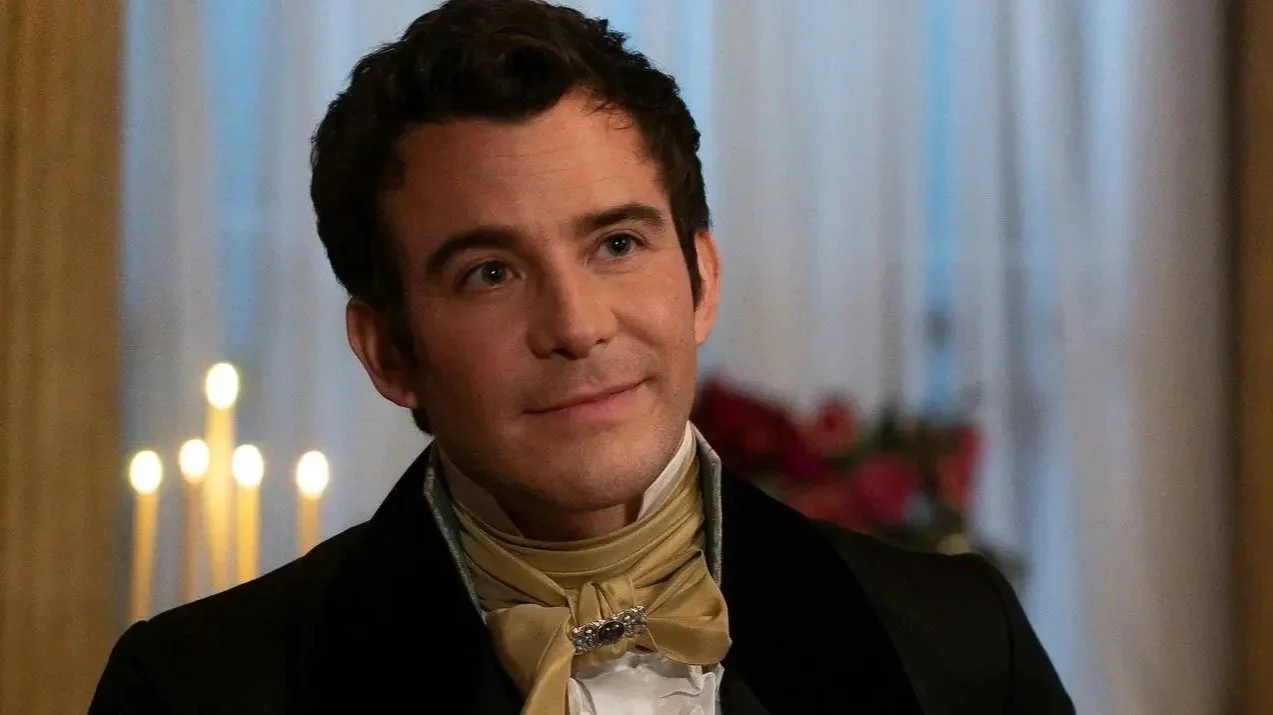
He is:
Wealthy, titled, socially powerful
Able to offer economic security (or withdraw it)
Male (which carries its own set of structural privileges)
Seemingly oblivious to the fact that his "romantic pursuit" might feel like pressure she cannot refuse
When he pursues her despite her repeated "no," is he respecting her autonomy? Or is he—however unconsciously—relying on the fact that she cannot actually enforce that "no" the way a woman of his class could?
It's like a teacher asking out a student. Even if the student says yes, the yes is compromised by the power differential. There's always the question: would she have said yes if refusing didn't carry risks?
Benedict's privilege blindness
I don't think Benedict is intentionally manipulating Sophie. I think he's genuinely blind to his own privilege.
He doesn't see that when he shows up at her workplace, he's not just a suitor—he's a man whose attention could cost her her job.
He doesn't see that when he asks her to be his mistress, he's not offering her security—he's asking her to trade one precarious position for another.
He doesn't see that when he pursues her despite her refusals, he's not proving his devotion—he's demonstrating that her "no" doesn't hold the same weight as a woman of his class.
This is what male privilege and class privilege look like when they intersect. Good intentions don't erase structural power.

Why Sophie's reality was impossible
Let's be clear about what Sophie was navigating:
She had genuine feelings for Benedict. The connection between them was real. But her reality was:
If she says yes to being his mistress:
She gains temporary economic security
She loses any chance of respectable marriage or social standing
She becomes completely dependent on his continued affection
She has no legal protections if he abandons her
Any children would be illegitimate (perpetuating the cycle)
If she says no:
She remains in economic precarity
She loses the one person who seems to see her as more than a servant
She reinforces her own belief that she's unworthy of love
She continues the trauma pattern of sacrificing her desires for survival
Neither option is freely chosen. Both are survival calculations.
This is what trauma does. It removes the luxury of choice. Every decision becomes: "Which option threatens my survival less?"
How this shows up in therapy today
You might be thinking, "This is a historical drama. What does it have to do with me?"
Everything.
The clients I see who navigate this daily:
Undocumented women who stay in abusive relationships because leaving means deportation and separation from their children.
Domestic workers who endure harassment because reporting it means losing their livelihood and their visa.
Women in low-wage service jobs who can't afford to refuse advances from managers, customers, or coworkers who have power over their schedules, hours, tips.
Women of color navigating workplaces where white men in power pursue them, and refusing could mean being labeled "difficult," passed over for promotions, or pushed out entirely.
First-generation immigrants who feel trapped between cultural expectations, economic necessity, and their own desires.
The structural dynamics haven't changed. We've just rebranded them.
What this looks like in session:
Clients come to me asking: "Why can't I just leave?"
And we unpack:
Economic dependence (leaving means losing housing, insurance, income)
Immigration status (leaving means losing legal status)
Children's stability (leaving means disrupting their schooling, healthcare, support)
Internalized unworthiness ("I don't deserve better than this")
Hypervigilance from past experiences ("The last time I said no, I lost everything")
They're not "choosing" to stay in situations that harm them. They're making survival calculations with limited options.
Just like Sophie.

The layers of Sophie's intersectionality
Sophie's vulnerability isn't just about class. It's about how multiple identities compound risk:
She is:
A woman (automatic social and physical vulnerability in patriarchal society)
Working-class (no economic safety net, no social protection)
Of East Asian heritage (additional racialized vulnerability, fetishization, "model minority" stereotypes)
Illegitimate (carries social stigma, legal disadvantages, internalized shame)
Each identity alone creates vulnerability. Together, they create compounding powerlessness.
A working-class white woman has more options than Sophie. A wealthy Asian woman has more options than Sophie. A legitimate working-class woman has more options than Sophie.
Sophie sits at the intersection where every axis of identity decreases her safety, power, and options.
This is what intersectionality means clinically. It's not just acknowledging multiple identities—it's understanding how they interact to create unique patterns of vulnerability and resilience.
Can we hold both the romance and the structural reality?
Here's where I want to be careful.
I'm not saying Sophie and Benedict's relationship is inherently abusive or that their feelings aren't real.
I'm saying: we can acknowledge genuine feeling AND acknowledge that structural inequality complicates consent.
The show eventually gives them a resolution where Benedict recognizes the power differential and works to equalize it (I'm assuming, based on typical romance arcs—adjust if the show goes differently). That matters.
But what matters MORE is that we, as viewers, don't romanticize the pursuit itself.
"He just couldn't resist her" is not romantic when he has all the power and she has none.
"She finally gave in" is not a happy ending when her options were give in or lose everything.
The romance can exist—but only if we're honest about the barriers Sophie had to overcome to even access genuine choice.

How therapy helps when power dynamics have shaped your relationships
If you recognize yourself in Sophie's story—if you've stayed in situations where power was unequal, where saying no felt impossible, where survival calculations overrode your desires—therapy offers space to:
1. Understand your responses as adaptive, not weak
Staying wasn't weakness. It was survival. Your hypervigilance, your compliance, your difficulty saying no—these kept you safe when you had no other options.
2. Separate past power dynamics from present relationships
Just because power was misused in the past doesn't mean it will be in the present. We work on assessing: Is this person using their power over me? Or offering to share power with me?
3. Recognize when you're making survival calculations vs. actual choices
Sometimes you're still operating from the trauma-formed belief that you have to earn love, that you're unworthy of better, that your "no" doesn't matter. We work on identifying when you're genuinely choosing vs. when you're defaulting to survival mode.
4. Build economic and social power so your choices expand
Therapy isn't just internal work. We also strategize practical steps: job skills, education, legal rights, community resources, economic independence. Real choice requires real options.
5. Process the grief of years spent in impossible positions
There's profound grief in recognizing how much of your life was spent navigating situations where you had no good options. We honor that grief without rushing to "fix" it.
You deserved better than impossible choices
If your life has been shaped by power differentials—economic, racial, gender, immigration status, disability, class—you know what Sophie knows:
Not all "choices" are free. Some are just survival calculations.
And the people with power—like Benedict—often don't see it. They see persistence as romantic, refusal as playing hard to get, your eventual "yes" as consent rather than capitulation.
You deserved relationships where your "no" was respected the first time.
You deserved economic security that didn't depend on someone else's goodwill.
You deserved to want things without having to calculate the cost to your survival.
You still deserve all of this.
Ready to work with someone who understands power dynamics?
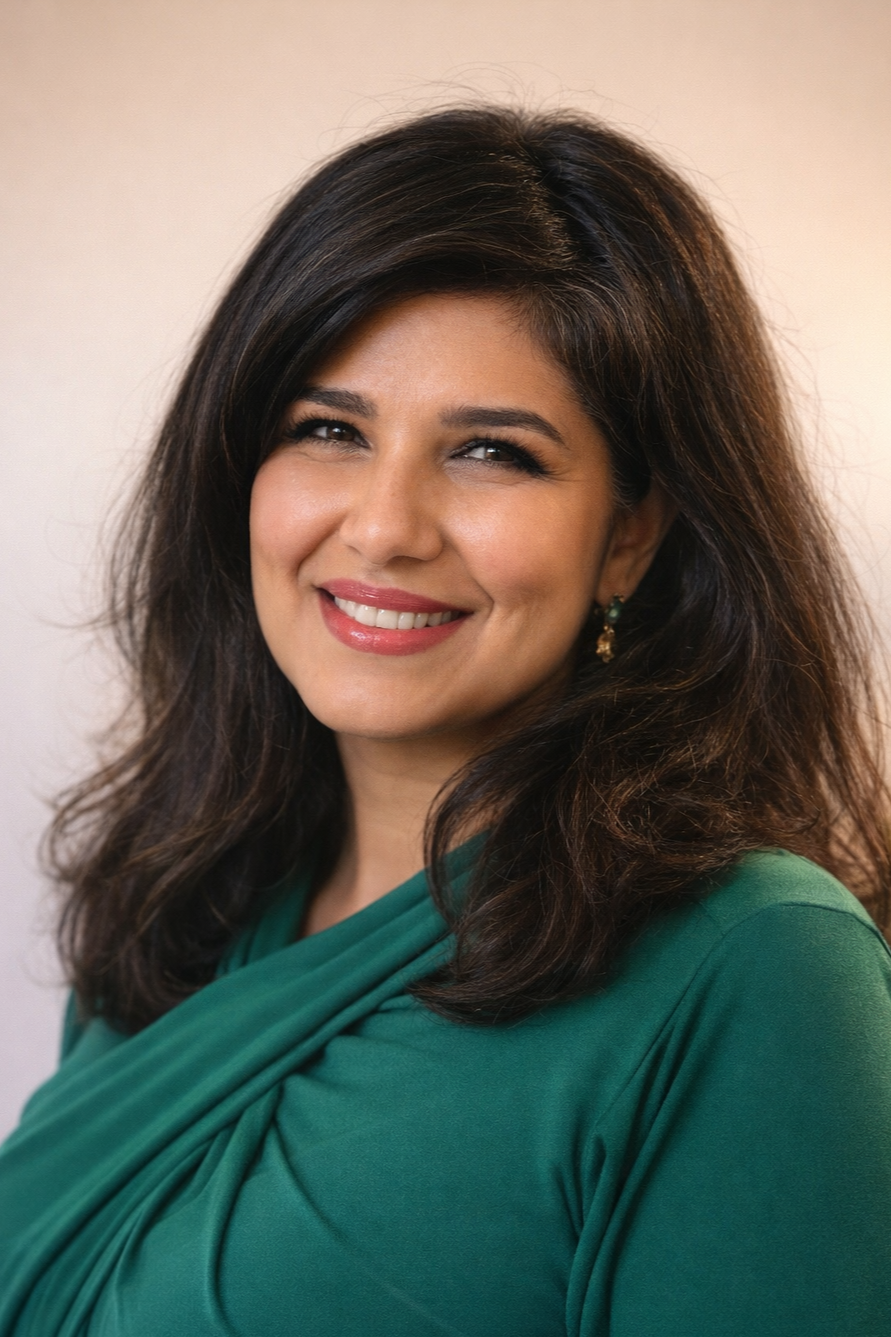
I'm Dr. Darshana Lele, a South Asian clinical psychologist with 26 years of experience. I specialize in:
Trauma and power dynamics in relationships
Intersectional identities (race, class, gender, immigration)
Healing from economic coercion and workplace harassment
Building genuine choice when you've spent years in survival mode
I offer therapy in English and Hindi, in-person in Pasadena and virtually throughout California.
Book a free 20-minute consultation: (626) 214-5366 or visit mentalwealthinc.com/contact
Your story matters. Your "no" matters. Your survival was never weakness—it was wisdom.
Let's talk about what genuine choice could look like for you.