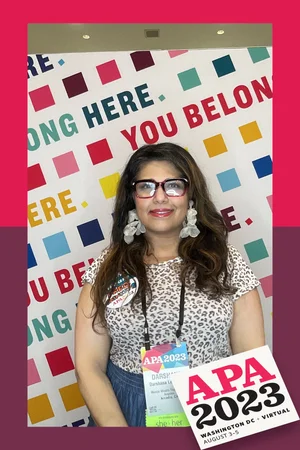
Disability Pride Month: Why I'm Claiming the Word "Disabled"
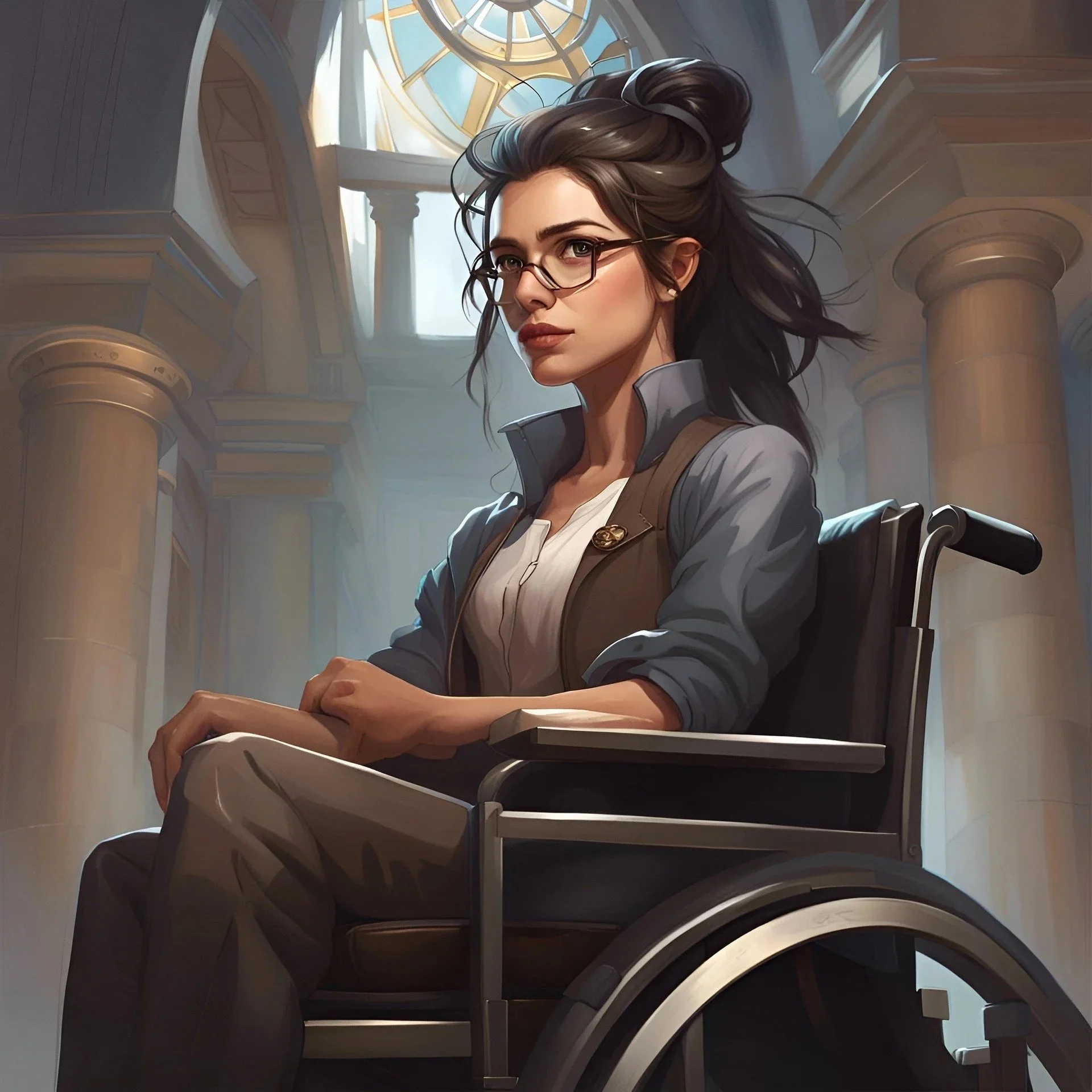
For most of my adult life, I avoided the word "disabled."
I had CRPS. I had chronic pain. I had a condition that affected every single day of my life.
But disabled? That felt like something else. Something more. Something I wasn't sure I was allowed to claim.
This is Disability Pride Month. And I want to talk about why that resistance existed — and why I've had to let it go.
The internalized ableism nobody talks about
There is a particular kind of shame that comes with chronic illness that isn't often named directly: the shame of not being sick enough to count.
You function. Some work or go to school. You show up in whatever capacity you can. You look fine most of the time. And somewhere underneath all of that functioning is a quiet belief that because you somehow manage — because you push through — you don't really have a disability. You have a condition. You have challenges. But disabled? That's for someone else.
This is internalized ableism. And it's extraordinarily common among people with chronic pain and invisible illness.
It manifests as:
Minimizing your own limitations to avoid being a burden
Feeling guilty for using accommodations you actually need
Comparing your pain to others' and deciding yours doesn't qualify
Pushing through at significant cost to yourself because stopping feels like giving up
Believing that if you just tried harder, managed better, wanted it enough — you could overcome this
I've done all of these things. Some of them I'm still working on.
What the word "disabled" actually means
Disability doesn't mean non-functional. It doesn't mean housebound, constantly bed bound, unable to work or be a parent, or visibly impaired in ways that are legible to strangers.
Disability means your body or nervous system functions differently in ways that affect your life — often significantly — and that the world was not designed with you in mind.
CRPS qualifies. Chronic pain qualifies. Invisible illness qualifies.
The discomfort with the word is worth examining. Because often what we're really avoiding isn't the word — it's what we fear the word means about us. That we're less capable. Less valuable. Less worthy of the things we want.
Those fears aren't about disability. They're about worth.
High-functioning and disabled — both, simultaneously
I run a clinical practice. I maintain relationships, show up for my family, and have built a meaningful professional life. I also live with a condition that causes daily pain, affects my sleep, changes what I can do on any given day (sometimes hour) and has required significant psychological work to navigate.
These things are not contradictions.
High-functioning and disabled. Professional and in pain. Capable and limited. All of it, at once.
The pressure to choose — to either claim disability or perform normalcy — is one of the most exhausting aspects of invisible illness. You don't get to rest into one identity. You're always managing both.
Disability Pride Month, for me, is about releasing the performance. About acknowledging that functioning through pain is not the same as not having pain. About saying clearly: I live with a disability. It does not define me. And I don't have to earn the right to name it.
What disability pride means for chronic pain patients
Disability Pride is not about celebrating suffering. It's about rejecting the idea that disability is a personal failure or a tragedy to be overcome.
It's about:
Acknowledging the full reality of your experience without minimizing it
Releasing the performance of wellness you didn't ask to maintain
Finding community with others who understand what invisible illness actually costs
Recognizing that your adaptations — the things you've built to manage, to function, to survive — are evidence of resilience, not weakness
If this resonates
If you're living with CRPS or chronic pain and any of this feels familiar — the resistance to the word, the guilt of functioning while still struggling, the exhaustion of performing fine — I want you to know: this is part of the psychological work.
Not the medical work. The psychological work.
The work of building a genuine relationship with your own body and experience, rather than managing them from a distance.
In September, I'm opening a CRPS coaching community for exactly this — the psychological and emotional side of living with CRPS, led by someone who has been navigating it for 16 years.
Read more about our CRPS virtual coaching program at CRPScoaching.com, email drdarshana@crpscoaching.com or call 626-214-5366. To read some of the content we will be covering in the group virtual coaching program, read my other blog here and all blogs here. I also have limited space for 1-on-1 coaching sessions. Contact me in the same ways listed above with subject line: 1-on-1 coaching.
If you are fed up going from provider to provider with no answers and getting more dead-ends you know you are ready to apply. Take the first step below. You will have an opportunity to talk to me directly about the benefits of the program and address any questions or concerns you have and only if we are a good fit for each other, will we move forward.
Dr. Darshana Lele, PhD is a licensed clinical psychologist in Pasadena. She has lived with CRPS for 16 years and specializes in the psychological impact of chronic pain and chronic illness.
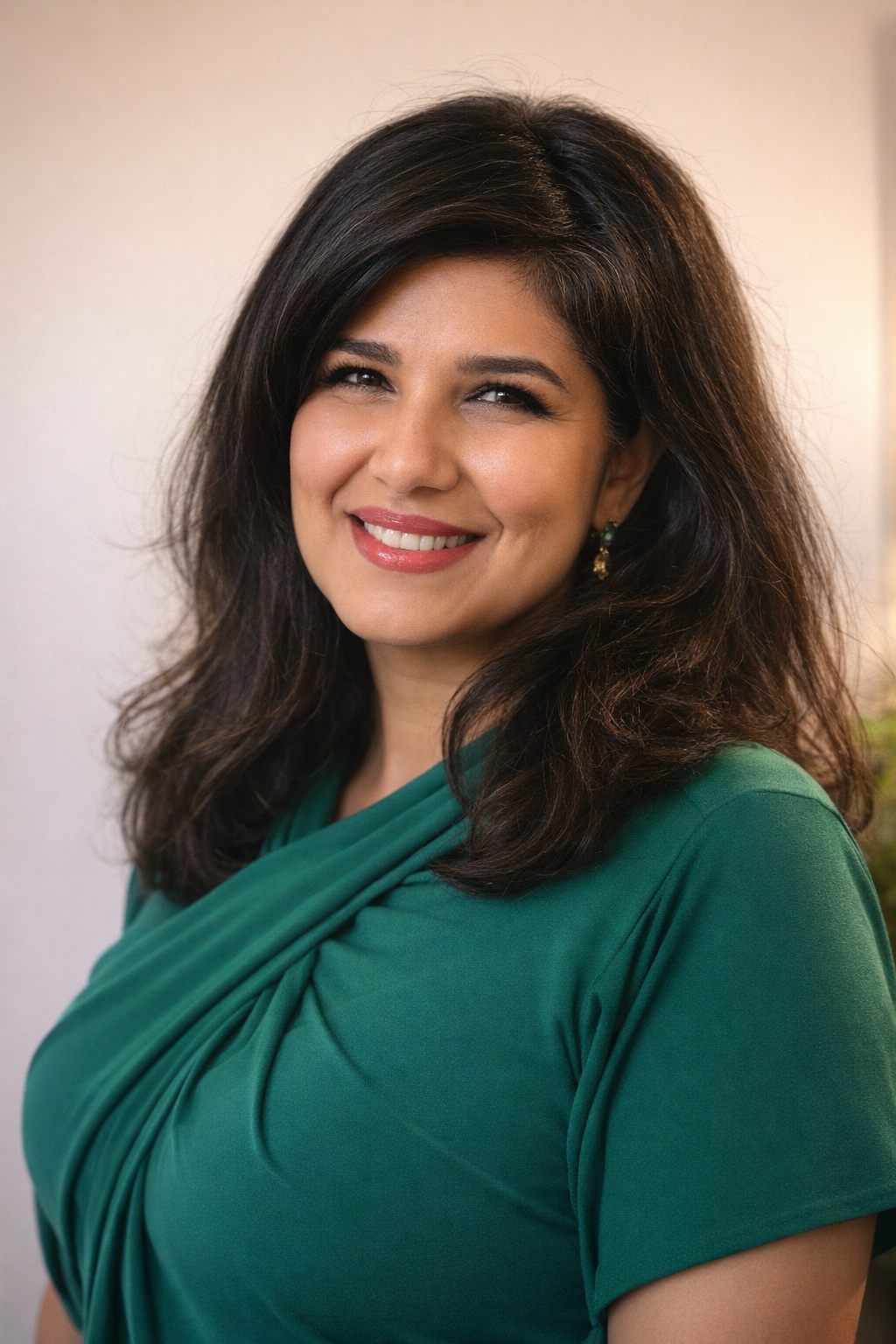
Dr. Darshana Lele, Ph.D., CA Psychologist #24852
Dr. Darshana Lele is a South Asian, Hindi-speaking clinical psychologist with 26 years of experience helping individuals and couples heal from trauma, anxiety, relationship challenges, and cultural pressures. As an LGBTQ+ affirmative, sex-positive trauma therapist, she helps clients understand how past relationships shape present patterns so they can build more authentic, connected, and fulfilling lives.
Learn more about her work with South Asian clients, LGBTQ+ clients, and couples therapy, or visit her About page.