Is It Anxiety — or Undiagnosed ADHD? What South Asian Women Need to Know
You've been managing your anxiety for years.
Maybe you've been in therapy. Maybe you've tried medication. Maybe you've read every book, built every system, kept every planner — and still feel like you're barely keeping up while everyone around you seems to move through life with ease.
What if anxiety isn't the whole story?
The number that stopped me
Research shows that nearly 28% of women presenting to anxiety clinics had undetected ADHD.
Not instead of anxiety. Alongside it, underneath it, masked by it.
For South Asian women specifically, that number likely runs even higher. Because we have a particular talent for hiding our struggles — even from the people who are supposed to help us find them. That’s not a judment. There is nothing right or wrong about it. It’s just how what “being a strong woman” meant.
Why ADHD gets missed in South Asian women
The model minority mask
"You're too smart to have ADHD."
If you've heard this — from a parent, a teacher, a doctor, yourself — you know exactly how it lands. South Asian women are expected to be high-functioning, organized, achievement-oriented. ADHD doesn't fit that story.
So instead of ADHD, you get: lazy. Dramatic. Not trying hard enough. Needs to focus. Just anxious.
The mask of high achievement is extraordinarily effective at hiding a dysregulated nervous system underneath. Straight As don't rule out ADHD. They can be evidence of how hard someone is working to compensate for it.
The inattentive presentation
ADHD in women and girls looks different than the hyperactive little boy the diagnostic criteria were built around. Female ADHD is more often inattentive — characterized by:
A mind that won't stop running even when the body is still
Difficulty starting tasks despite knowing exactly what needs to be done
Time blindness — hours disappearing without understanding where they went
Emotional dysregulation that feels wildly disproportionate to the situation
Chronic overwhelm despite being, by every external measure, capable
None of this looks like "hyperactivity." All of it gets labeled anxiety.
The eldest daughter effect
Many South Asian women with undiagnosed ADHD have spent their lives developing compensatory systems so sophisticated that nobody — including themselves — recognizes there's a problem.
You became the one who manages everything. You created the checklists, the color-coded calendars, the routines. Not because organization comes naturally — but because without these systems, everything falls apart. The systems aren't evidence that you're fine. They're evidence of how hard you've been working to appear fine.
The misdiagnosis pathway
Here's what often happens: a South Asian woman arrives at a doctor or therapist presenting with anxiety, perfectionism, and exhaustion. She's prescribed an antidepressant or begins anxiety-focused therapy. Some things improve. But the underlying dysregulation doesn't.
Because the underlying dysregulation was never anxiety in the first place.
How to tell the difference
This isn't a diagnostic checklist — only a qualified clinician can diagnose ADHD. But these patterns show up differently-
If it's primarily anxiety:
Worry is about specific things that could go wrong
Avoidance is driven by fear of a bad outcome
You can focus — often hyperfocus — when anxious about something
If ADHD is underneath:
Difficulty starting tasks even when you want to do them and aren't afraid of failing
Time blindness that exists even when you're not anxious
Emotional responses that spike quickly and feel out of proportion
The systems work — until they suddenly don't, and you can't explain why
A sense that you are always running to catch up, no matter how hard you work
If both are present (common):
Anxiety developed on top of ADHD — often as a response to years of underperforming relative to potential, missing things, being criticized, or feeling like you're always one step behind. The ADHD came first. The anxiety followed.
What late diagnosis actually means
For many South Asian women, an adult ADHD diagnosis isn't a devastation. It's a relief.
It reframes decades of self-criticism. The "laziness" that was actually a dysregulated executive function. The "sensitivity" that was emotional dysregulation. The "not living up to potential" that was a nervous system working against itself.
You weren't failing. You were running a different operating system — without the manual.
Late diagnosis doesn't undo the past. But it offers something the past didn't: an accurate understanding of yourself. And with that comes the possibility of actually effective support — not just more willpower, more structure, more trying.
What therapy can offer
Therapy for ADHD in South Asian women isn't just about productivity strategies and time management tools. It's about:
Understanding how your nervous system actually works
Separating your authentic self from the coping strategies you built to survive
Processing the grief of years spent fighting yourself without understanding why
Rebuilding your relationship with your own capabilities — accurately, not through shame
Untangling ADHD from the cultural and family messages layered on top of it
You've been trying to fix something you didn't fully understand. That changes when you have the right framework.
You don't have to keep managing alone
If any of this resonates — if you've spent years treating anxiety that never fully resolves, if you've built elaborate systems to appear functional, if you've been told you're too capable to struggle this much — it's worth exploring.
I'm Dr. Darshana Lele, a South Asian psychologist in Pasadena & rest of California (virtually). I work with South Asian women navigating anxiety, ADHD, trauma, and the complicated experience of never quite feeling like enough — in either world.
If you are fed up of trying your hardest and getting nowhere; of realising it’s not just anxiety that you are dealing with; feel you have been misdiagnosed; or wondering if therapy could be a good-fit for what you are need. If you are finally ready to go from just surviving to living to it’s fullest then call me to see how I can help.
Free 20-minute consultation: (626) 214-5366, email: mentalwealthinc.com/contact or click button below. These consults are your time to discuss how I can best help you, answer your questions and concerns, figure out logistics of location/times/insurance/payments etc. with the goal of setting up an Initial Consultation appointment, after which I develop an individualised treatment plan to serve your needs with evidence-based strategies.
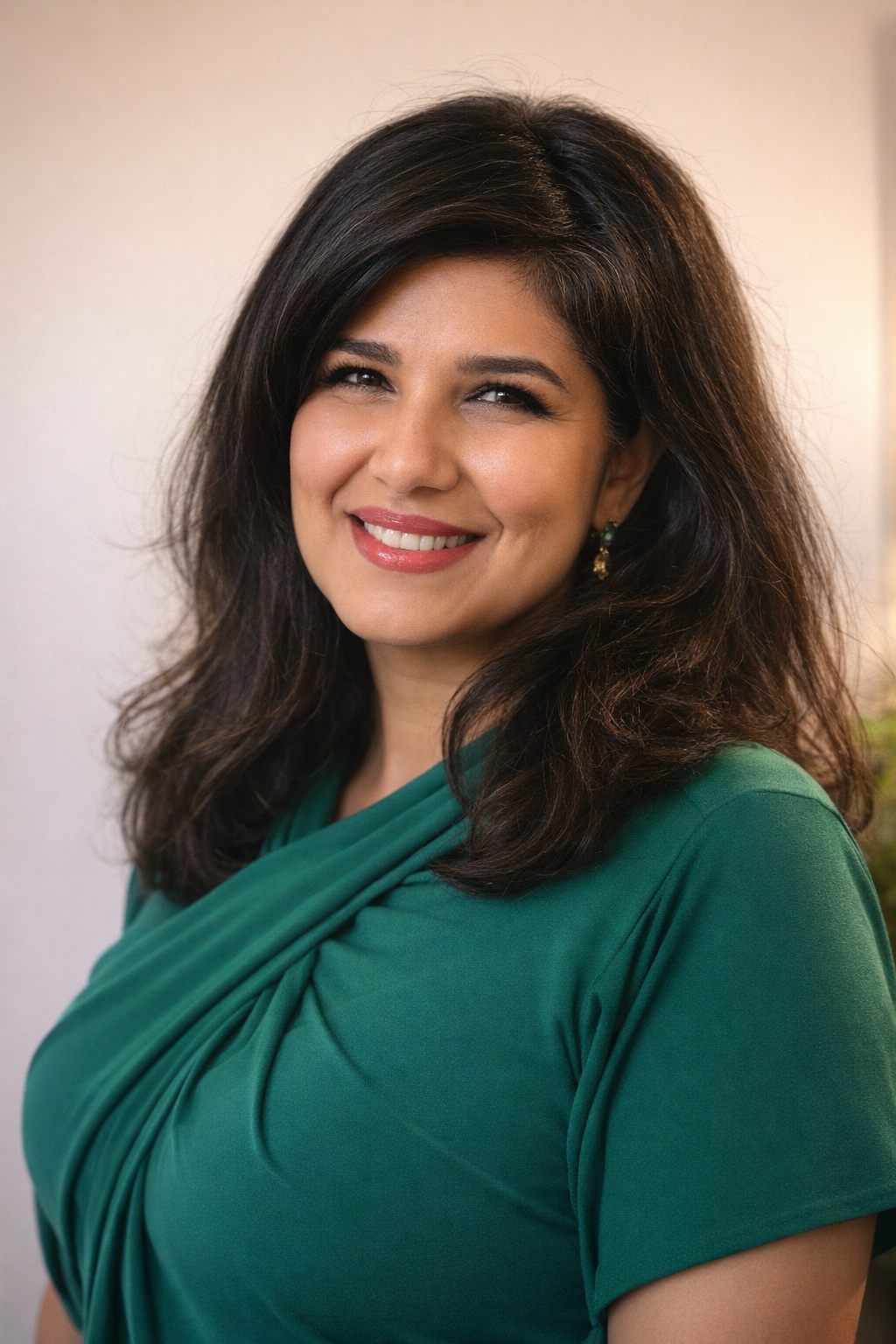
Dr. Darshana Lele, Ph.D., CA Psychologist #24852
Dr. Darshana Lele is a South Asian, Hindi-speaking clinical psychologist with 26 years of experience helping individuals and couples heal from trauma, anxiety, relationship challenges, and cultural pressures. As an LGBTQ+ affirmative, sex-positive trauma therapist, she helps clients understand how past relationships shape present patterns so they can build more authentic, connected, and fulfilling lives.
Learn more about her work with South Asian clients, LGBTQ+ clients, and couples therapy, or visit her About page.