What Nobody Tells You About Living With CRPS

I was diagnosed with Complex Regional Pain Syndrome sixteen years ago.
I was also, at the time, a practicing clinical psychologist. Which meant I knew exactly what I was experiencing — but that only minimally made it easier to face what I was enduring.
This is Disability Pride Month and for the first time I'm writing & speaking publicly about what living with CRPS has actually been like — not the clinical version, not the carefully managed professional version, but the real one. Till now even my clients have no idea what I have been facing in my private life but there is a reason I want to speak about this.
What nobody tells you at diagnosis
They tell you about the pain. The burning, the hypersensitivity, the way a breeze across your skin can feel like fire. They tell you it's chronic. They tell you treatment options are limited and insurance coverage is worse.
What they don't tell you:
They don't tell you about the grief.
Not just grief for the body you had before. Grief for the future you imagined. The plans that had to change. The version of yourself you'd been building toward — the one who didn't have to think about pain first thing every morning.
They don't tell you how exhausting it is to appear fine.
Most people with CRPS become experts at managing impressions. You learn which days you can push through and which days require a strategic cancellation. You develop a practiced answer to "how are you?" that reveals nothing. You hold yourself together in public and fall apart at home.
They don't tell you what it does to intimacy.
When touch can hurt, closeness becomes complicated. Relationships change. The person who wants to comfort you with a hand on your shoulder doesn't know that today, that will cost you something real.
They don't tell you about the disbelief.
Providers who dismiss you. Tests that come back "normal." Family members who can't reconcile how you look with how you say you feel. The particular devastation of being in the worst pain of your life and having someone imply you're exaggerating.
What the early years actually looked like
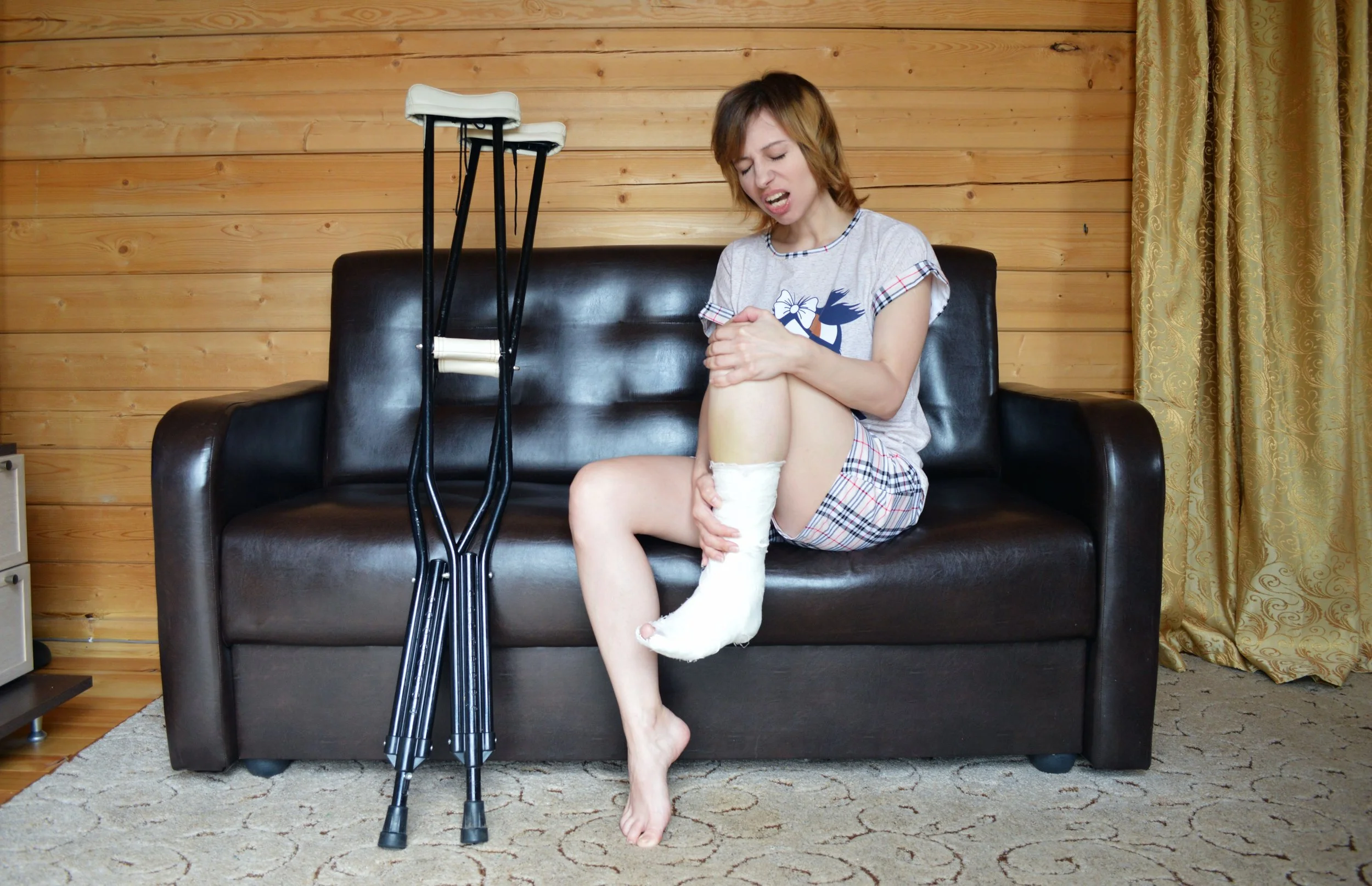
I kept working full-time. Walking everywhere without a car even though it was my foot that was affected. That was partly clinical training — I understood the value of structure and purpose in managing chronic illness. But it was also something else. Something I've had to examine honestly over the years: the belief that if I stopped, I would lose myself entirely.
I had to learn, slowly, the difference between functioning and living.
Functioning meant showing up, managing, getting through. Living meant actually being present in my own life — my relationships, my work, my body — without the performance of fine-ness that chronic illness demands.
That distinction took years. And a lot of therapy.
What actually helped
Not everything I'm going to say here is what the medical literature recommends. Some of it is clinical. Some of it is simply what I've learned from living inside this condition for sixteen years.
Distinguishing pain from suffering.
Pain is the stimulus — the nervous system signal. Suffering is what we layer on top of it. The catastrophizing, the fear of the future, the identity loss, the grief. We can't always control the pain. We have more agency over the suffering than we think.
Nervous system regulation — consistently, not just in crisis.
Not as a cure. As a way of living in a body that is chronically dysregulated. The goal isn't to eliminate the pain response. It's to spend more time in a state where you can actually function, connect, and feel something other than survival mode.
Processing the grief properly.
Not pushing it down, not reframing it prematurely into positivity. Actually sitting with what was lost. This is some of the hardest and most important work.
Community with people who understand.
Not to stay in the pain, but to not be alone in it. The specific relief of talking to someone who doesn't need you to explain why a good day and a bad day can look identical from the outside.
Therapy — not to fix the CRPS, but to build a life alongside it.
This is the distinction that changed everything for me. Therapy isn't about curing chronic illness. It's about developing the psychological tools to live meaningfully within it.
Why I'm building a CRPS coaching community
After sixteen years, I've learned things that aren't in the clinical literature. I've developed tools — emotional, psychological, practical — that have allowed me to maintain a full life, a practice, a family, relationships, and genuine joy alongside this condition.
Most CRPS resources come from one of two places: clinicians who've never experienced it, or patient communities without professional training.
I've lived it. And I'm trained to help people navigate it.
In September, I'm launching a coaching community for CRPS patients and their families — the first of its kind led by someone who is both. Group coaching, pain education, practical strategies, peer support, and a separate space for family members.
If you're living with CRPS — or loving someone who is — I'd love for you to be part of it.
Join the waitlist: https://docs.google.com/forms/d/e/1FAIpQLScfyUwBR6U7E0hK4CLjwh6jdroBL50itdFIkwE0I57gxmbwow/viewform?usp=header
Dr. Darshana Lele, PhD is a licensed clinical psychologist in Pasadena, California. She has lived with CRPS for 16 years and specializes in the psychological impact of chronic pain. Free 20-minute consultation: (626) 214-5366 | mentalwealthinc.com

Dr. Darshana Lele, Ph.D., CA Psychologist #24852
Dr. Darshana Lele is a South Asian, Hindi-speaking clinical psychologist with 26 years of experience helping individuals and couples heal from trauma, anxiety, relationship challenges, and cultural pressures. As an LGBTQ+ affirmative, sex-positive trauma therapist, she helps clients understand how past relationships shape present patterns so they can build more authentic, connected, and fulfilling lives.
Learn more about her work with South Asian clients, LGBTQ+ clients, and couples therapy, or visit her About page.