Which Bridgerton Sibling Are You? Birth Order, Gender, and Why Your Personality Isn't What You Think
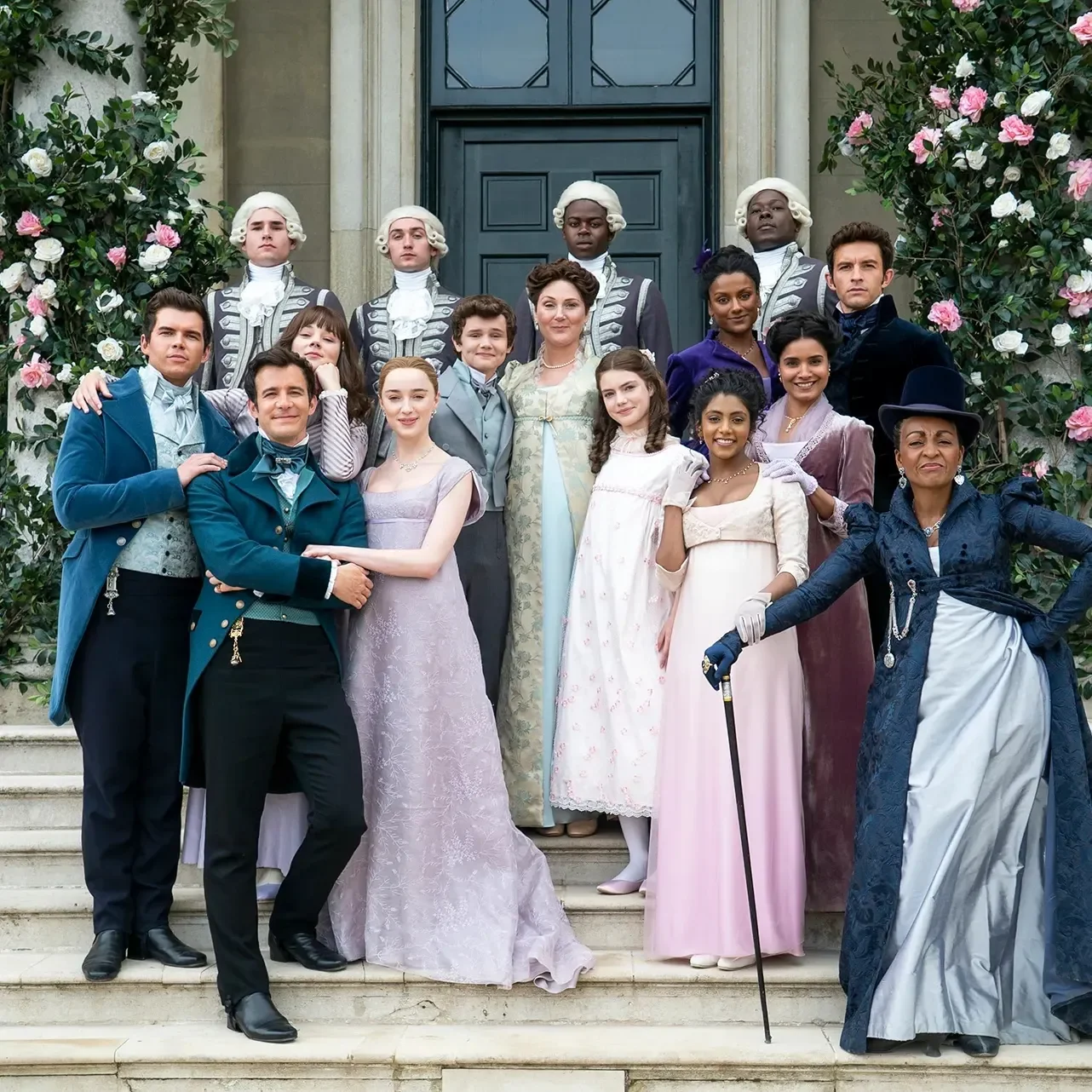
Netflic image credit
Everyone knows which Sharma sister they are
But the Bridgerton family has eight siblings. And each one represents something different—not just a personality type, but a specific intersection of birth order, gender expectations, and family role.
Which one are you?
More importantly: What does your result reveal about how your family shaped you—and how gender expectations either amplified or complicated that shaping?
This is where it gets clinically interesting.
📝 Take the quiz: Which Bridgerton sibling are you?
First: The parents who shaped them all
Before we meet the siblings, we need to understand Edmund and Violet Bridgerton—because their parenting style created the foundation every sibling builds from.
Edmund Bridgerton: The warm father who left too soon
Edmund was, by all accounts, a genuinely loving father. Playful, present, emotionally available in ways that were unusual for his era and class. He showed affection openly. He was interested in his children as individuals.
What Edmund gave all eight siblings:
A foundation of secure attachment (they knew they were loved)
Permission to feel (emotions weren't shameful in his presence)
A model of love as warmth, not just provision
Deep capacity for connection
What Edmund's death did to all eight siblings:
Collective trauma at different developmental stages
The permanent absence of the parent who made emotional safety possible
The unconscious belief: love ends without warning
Hypervigilance about loss in all their adult relationships
Here's the clinical insight: All eight Bridgertons share traits that stem directly from loving, then losing, their father early. The capacity for deep love. The terror of losing it. The way they all, in different ways, brace for abandonment.
Violet Bridgerton: Loving but caught between grief and society
Violet loved her children deeply. But she was also a woman of her era, raising children alone after devastating loss, under enormous social pressure, focused on securing their futures through marriage and status.
What Violet gave her children:
Consistent love and presence
Strong family loyalty and cohesion
Clear values (family above everything)
Warmth within the structure of societal expectation
What Violet's parenting style also created:
The belief that love and societal expectation go together
Marriage as the primary measure of success (especially for daughters)
A certain emotional containment—feelings were valid but managed
The sense that the family's collective needs came before individual desires
The parenting style across both parents: Warm but conditional on conformity.
Love was genuine AND it operated within strict societal parameters. You could be loved AND be expected to perform your role. This is the tension every Bridgerton navigates.
What all Bridgertons share: The family system's fingerprints
Despite their different personalities, all eight siblings carry certain traits from their shared family system:
1. Deep capacity for love + terror of losing it Edmund's death left every sibling with some version of: love is wonderful and it can be ripped away without warning. This shows up as intensity in relationships, fear of abandonment, and sometimes sabotaging love before it can leave them.
2. Family loyalty above personal desire Violet's grief and the family's need to function created unspoken rules: we protect each other, we stay together, we don't let the family fall apart. Every sibling has internalized this—sometimes to the point of sacrificing their own needs.
3. Performance within societal expectation They were raised in a world with rigid rules about gender, class, and marriage. Every sibling performs their role to some degree—even Eloise, whose rebellion is its own kind of performance.
4. Suppression of authentic desire From Anthony (who can't let himself want) to Francesca (who doesn't yet have language for who she is), all the Bridgertons struggle to access what they truly want underneath what they're expected to want.
5. Grief as a shared undercurrent Edmund's loss runs underneath everything. It's why Anthony can't let himself be happy. Why Benedict seeks connection intensely. Why the siblings are so fiercely loyal to each other.
The clinical premise: Personality isn't just who you are
Here's what most personality quizzes miss: your personality isn't fixed. It was shaped.
By your birth order. By your family's expectations. By what your culture said you were allowed to be based on your gender. By what roles were available to you—and which ones were closed off.
The Bridgerton siblings are fascinating because they show us what happens when birth order meets gender expectations in a specific cultural moment. And for South Asian and LGBTQ+ adults watching, the parallels to our own families are impossible to ignore.
The eight siblings and what they represent
Anthony Bridgerton - The Eldest Son's Burden
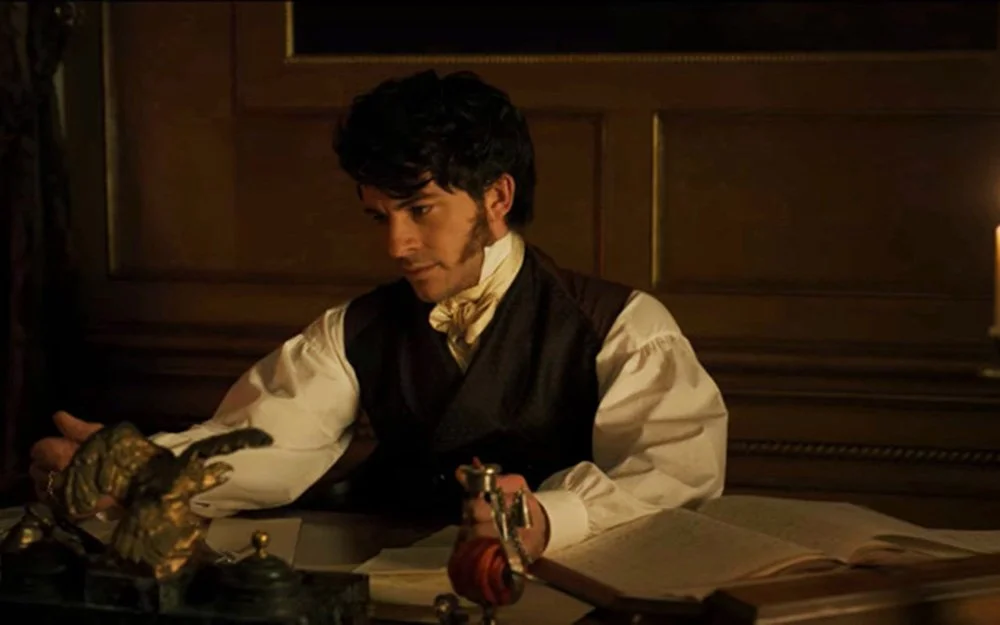
Anthony is parentified before he's ready. His father dies, and overnight he becomes the head of the family—responsible for everyone's wellbeing, financial security, and futures.
Birth order pattern: Classic eldest child parentification.
Gender lens: As an eldest SON, Anthony's burden looks different from Kate Sharma's. He carries financial and legacy responsibility. She carries emotional and relational responsibility. Same wound, different manifestation.
What Anthony teaches us:
Eldest sons and eldest daughters carry different versions of the same burden
Male stoicism makes it harder to acknowledge the weight
His hyperresponsibility manifests as control—over his siblings, his choices, his emotions
He cannot let himself want things (sound familiar?)
Minority status: Anthony is heterosexual and cisgender—and notably, his majority status means his identity never compounds his burden. He doesn't have to hide who he is. But he does have to hide what he WANTS—which is its own kind of suppression. His privilege of visible conformity comes with the cost of authentic desire being completely inaccessible.
South Asian parallel: The eldest son in South Asian families carries immense pressure—to succeed financially, carry the family name, provide for parents in old age. The emotional labor is less visible but equally real. And like Anthony, South Asian eldest sons often have the "easiest" path on paper—while living the most constrained authentic life.
Benedict Bridgerton - The Creative Who Doesn't Fit
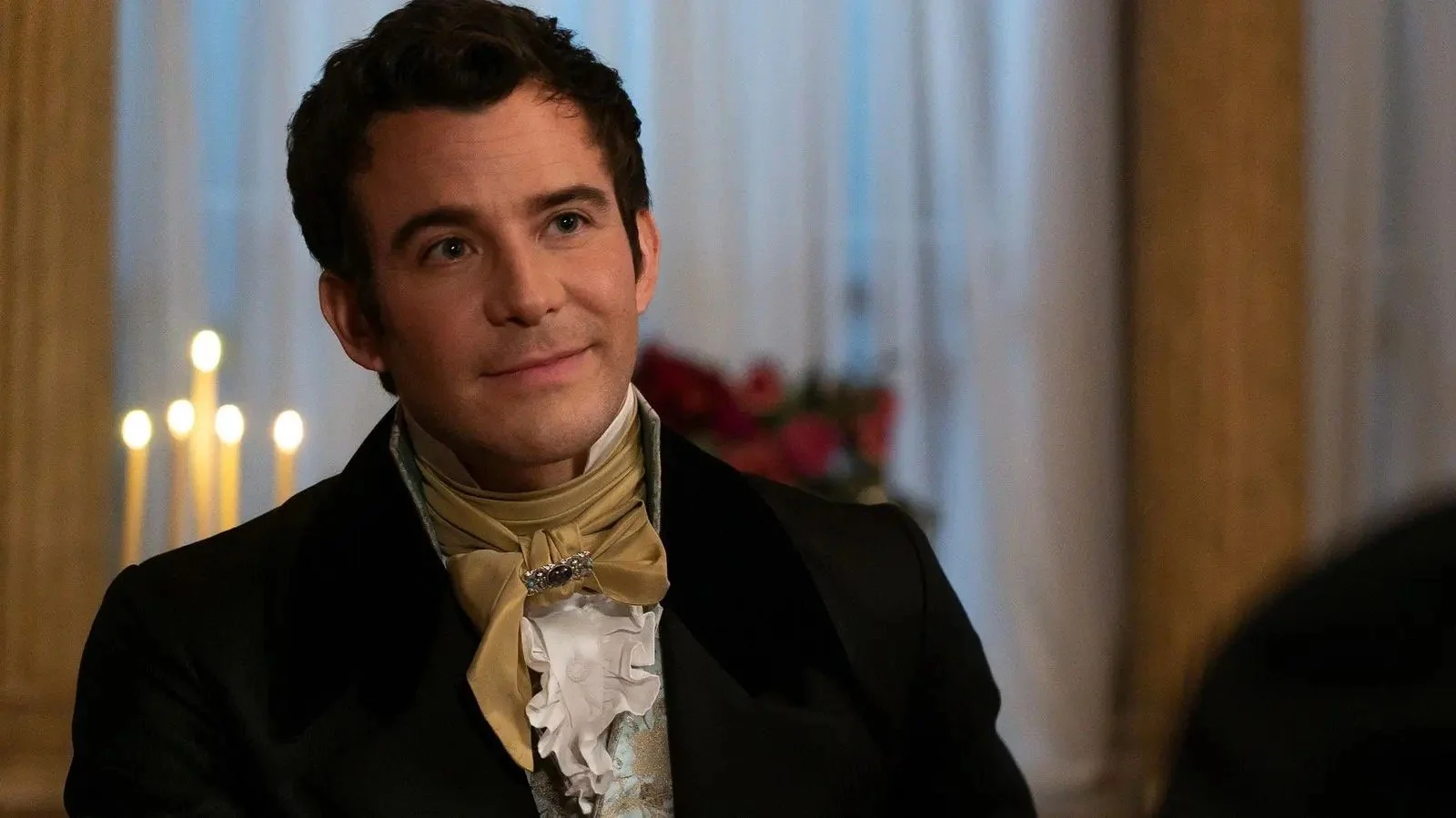
Benedict is the second son. No title coming. No clear role. He's the creative one—artistic, sensitive, emotionally intelligent in ways his culture doesn't know what to do with.
Birth order pattern: Second child finding their own lane because eldest has claimed "responsible one."
Gender lens: Benedict's sensitivity and creativity are coded as feminine in Regency England—and in many South Asian families today. A South Asian son who wants to be an artist, not an engineer, faces a specific kind of family resistance.
What Benedict teaches us:
Men who don't fit traditional masculine expectations face their own identity crisis
Creativity and emotional intelligence aren't feminine traits—they're human traits
When your authentic self doesn't match your gender's assigned role, you fragment
Minority status - Benedict is pansexual: In the Bridgerton books and increasingly implied in the show, Benedict is pansexual—attracted to people regardless of gender. This adds a profound additional layer to his already complex identity navigation.
Being pansexual in Regency England (or in a traditional South Asian family today) means:
Your authentic self is criminalized/shamed
You must suppress a core part of your identity to survive socially
The "responsible" path (marriage, legacy) requires you to become someone you're not
Your sensitivity and gender-non-conforming creativity now carry additional risk
The intersection: Benedict carries second-son identity diffusion + gender-non-conforming expression + pansexual identity + the grief of Edmund's loss. Each layer compounds the others.
For LGBTQ+ readers: Benedict's story represents what happens when your gender expression AND your sexuality don't match what's expected. The fragmentation is doubled—and the hiding required is exhausting.
Colin Bridgerton - The Middle Child Searching for Purpose
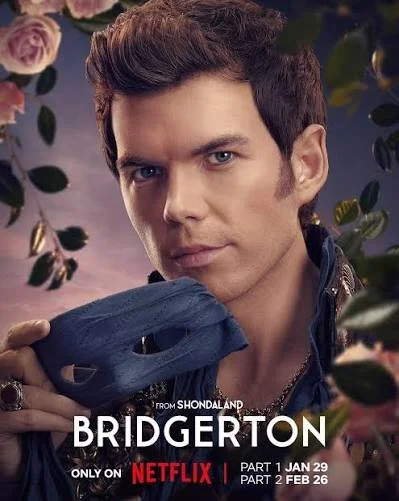
Colin is charming, likeable, wandering. He doesn't have Anthony's weight or Benedict's creative conviction. He's searching for who he is when he's not defined by his brothers.
Birth order pattern: Classic middle child identity diffusion.
What Colin teaches us:
Middle children's charm is often a survival strategy (be likeable so you're not overlooked)
Purpose doesn't find you—you have to build it
Being "fine" while everyone assumes you are isn't the same as being fine
Daphne Bridgerton - The Eldest Daughter in Feminine Form
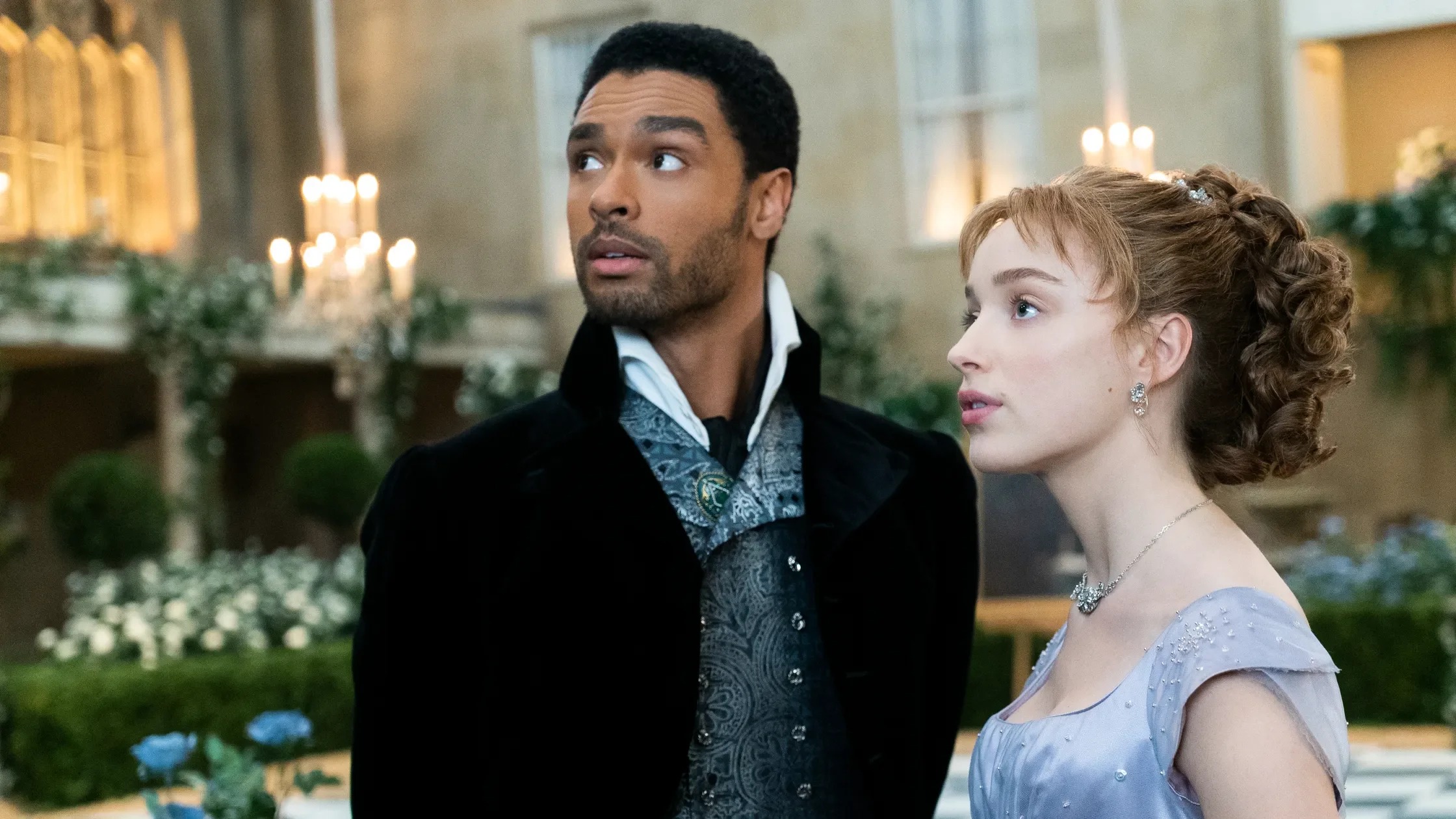
Where Kate Sharma is the eldest daughter in a South Asian context, Daphne is the eldest daughter in an English aristocratic context. Different culture, same essential wound.
Birth order pattern: Eldest daughter—performing, people-pleasing, making her family proud through marriage and social success.
Gender lens: Daphne's entire value is tied to her marriageability. Her parents' success is measured by who she marries. Her own desires (what does SHE want?) are secondary.
What Daphne teaches us:
Eldest daughters in patriarchal cultures carry the family's social reputation
Learning to want things for yourself when you've been socialized to want for others is profound work
The "good girl" who does everything right often has the deepest unmet needs
South Asian parallel: Eldest daughters in South Asian families carry this + cultural duty (farz) + the specific weight of maintaining family honor.
Eloise Bridgerton - The Rebel Who Refuses the Role
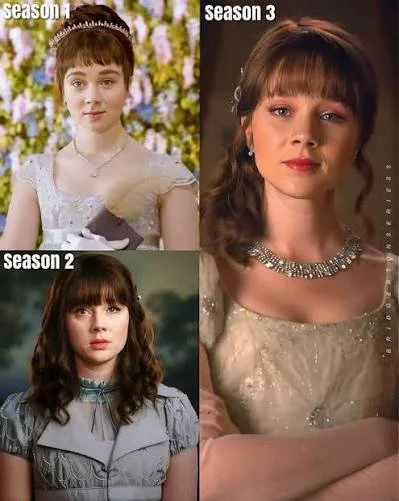
Eloise is the one who won't play by the rules. She refuses the marriage market. She wants to write, think, exist outside the role assigned to her gender.
Birth order pattern: Middle-to-younger child who uses rebellion to differentiate from the responsible eldest.
Gender lens: This is where it gets clinically fascinating. Eloise's "personality" is often described as rebellious, intellectual, difficult. But what if these aren't personality traits? What if they're responses to being given a role she can't inhabit?
What Eloise teaches us:
What looks like rebellion is often authenticity refusing to be suppressed
Gender non-conformity (refusing assigned roles) has been pathologized as "difficult"
Eloise isn't broken—she's clear about who she is in a world that wants her to be someone else
Minority status - Eloise as potentially asexual or gender non-conforming: Eloise's profound discomfort with the marriage market, her lack of interest in men as romantic prospects, and her deep female friendships have led many readers to read her as potentially asexual, aromantic, or simply gender non-conforming.
Whether or not Eloise's identity is explicitly queer, her experience mirrors that of LGBTQ+ people:
Being told your authentic self is wrong/impossible
Being labeled "difficult" for refusing a role that doesn't fit
Finding more meaning in intellectual connection than in the romantic scripts available to you
Watching everyone around you perform a life you simply cannot inhabit
For LGBTQ+ and gender-diverse readers: Eloise resonates with anyone who has never fit the gender role assigned to them. Her refusal isn't stubbornness—it's integrity. And her "difficulty" is actually radical honesty.
Francesca Bridgerton - The Quiet One Who Gets Lost
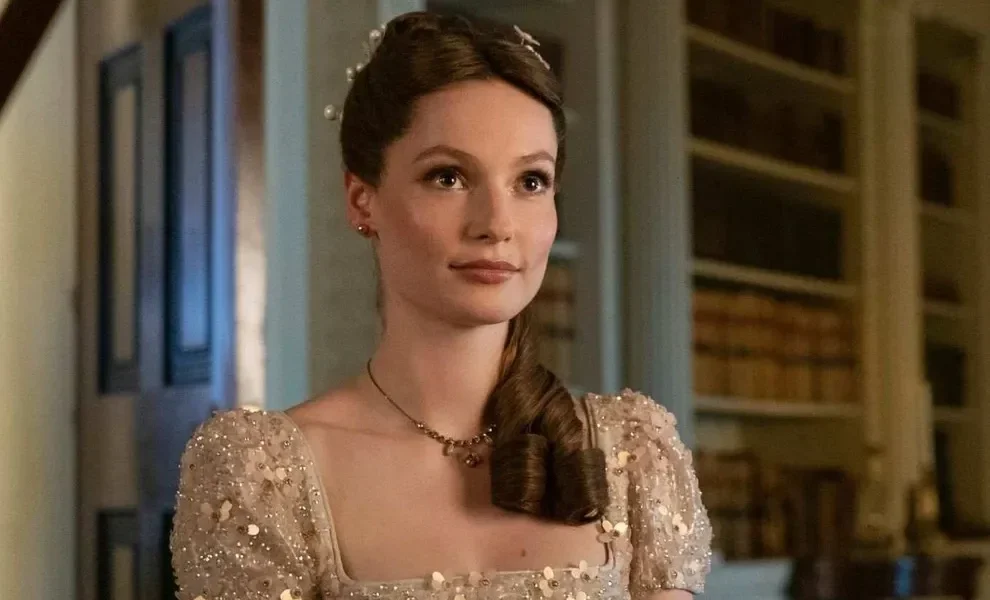
Francesca is often the forgotten Bridgerton. She's quiet, contained, not demanding. She doesn't create drama. And precisely because of this, she gets overlooked.
Birth order pattern: Middle child who adapts by becoming invisible—the opposite of Colin's charm strategy.
Francesca is often the forgotten Bridgerton. She's quiet, contained, not demanding. She doesn't create drama. And precisely because of this, she gets overlooked.
Birth order pattern: Middle child who adapts by becoming invisible—the opposite of Colin's charm strategy.
Gender lens: Quiet women in South Asian families are often praised for being "easy" and "low maintenance"—which is another way of saying their needs are easy to ignore.
What Francesca teaches us:
Quietness can be a trauma response, not a personality trait
Being easy to overlook is its own kind of pain
Francesca's sapphic storyline (books) suggests she's been suppressing authenticity for years
Minority status - Francesca is sapphic/lesbian: In the Bridgerton books, Francesca's story involves falling in love with a woman—her second husband's cousin, Michaela. This is one of the most quietly revolutionary storylines in the series.
Francesca's quietness takes on new meaning with this context:
She may have spent years not understanding why she felt different from her sisters
Her containment may partly be suppression of an identity she didn't yet have language for
Her "ease" was actually profound adaptation—becoming invisible because visibility felt dangerous
Her grief (she loses her first husband) becomes even more complex alongside identity exploration
The intersection: Francesca carries middle child invisibility + grief of losing Edmund + grief of losing her husband + the suppression of sapphic identity in a world that has no space for it.
For LGBTQ+ readers: Francesca represents the person who hasn't come out yet—not from fear exactly, but from not yet having language for who she is. Her quietness isn't emptiness. It's a self waiting to be discovered.
Gregory and Hyacinth - The Youngest Children
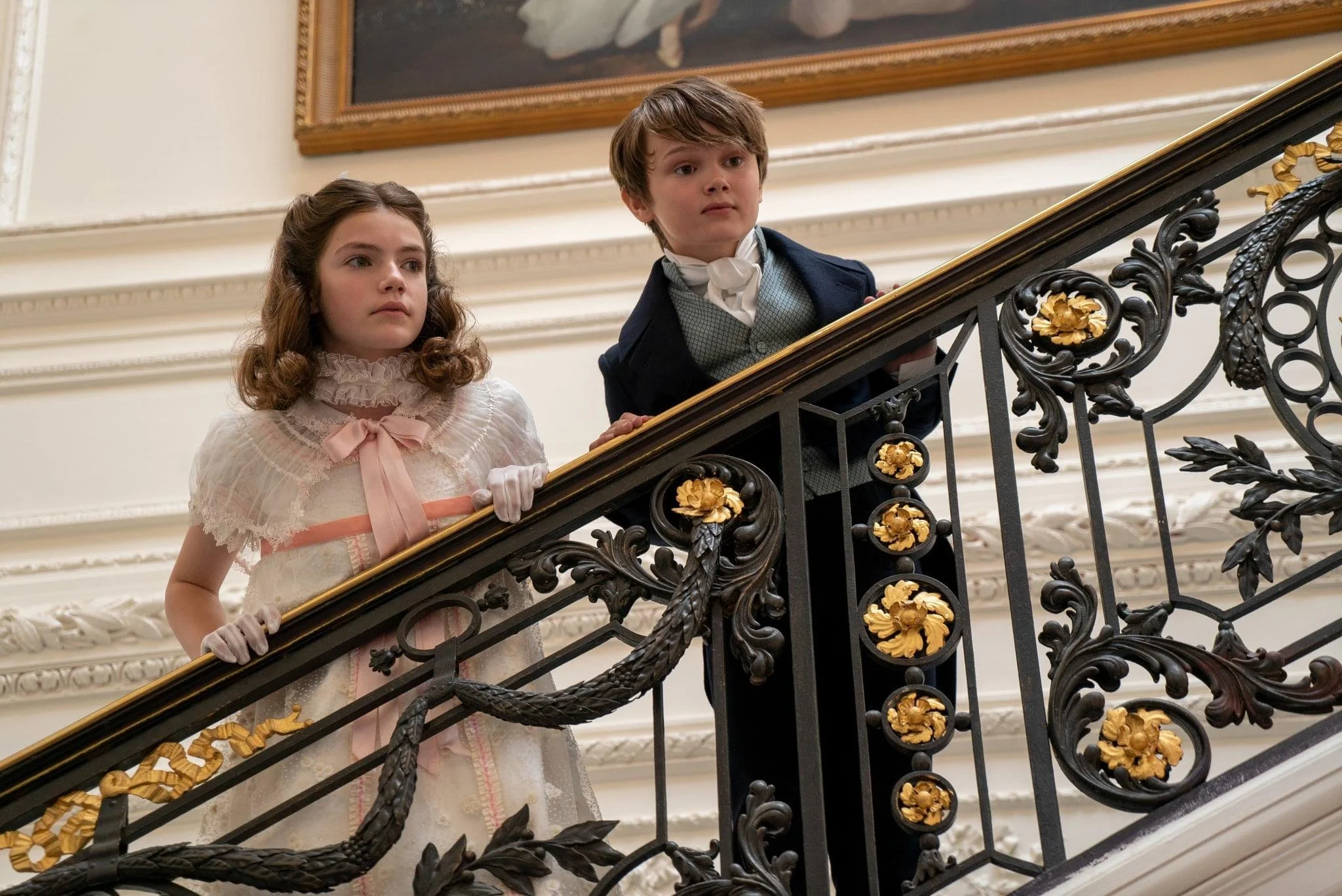
The youngest Bridgertons are protected, indulged, and sometimes infantilized. They benefit from older siblings' sacrifices while carrying pressure to be the "pride" of the family.
Birth order pattern: Classic youngest child dynamics.
Gender lens: Youngest sons (Gregory) have relative freedom. Youngest daughters (Hyacinth) often have high energy that gets channeled into family expectations.
The big clinical insight: Gender shapes HOW you carry your birth order wound
Same birth order position. Different gender. Different wound.
Eldest children:
Eldest sons: financial/legacy responsibility, stoicism, control
Eldest daughters: emotional labor, sacrifice, relational caretaking
Middle children:
Eldest sons: identity diffusion, searching for purpose
Middle daughters: invisible adaptation, suppressed authenticity
Youngest children:
Youngest sons: freedom with pressure to succeed visibly
Youngest daughters: high expectations, marriage pressure, people-pleasing
What about non-binary, queer, and gender-diverse people?
When your gender identity doesn't match the role your birth order assigned you—you carry both wounds simultaneously. You're supposed to be the stoic eldest son, but you're not a boy. You're supposed to be the marriageable eldest daughter, but you're queer.
This is the specific intersection that so many LGBTQ+ South Asians navigate. And it's why birth order + gender identity + culture creates uniquely complex patterns.
What this means for therapy
Understanding how birth order AND gender expectations shaped you helps us:
Name the specific pattern rather than generalizing
Distinguish between your authentic personality and your assigned role
Understand why you respond the way you do in relationships, at work, with family
Break patterns consciously rather than reactively
Ready to take the quiz?
Which Bridgerton sibling are you?—see what your result reveal about how birth order and how gender shaped you, as well as, receving your therapy roadmap.
Ready to do deeper work?
I'm Dr. Darshana Lele, Ph.D., a South Asian clinical psychologist specializing in birth order, family dynamics, gender identity, and LGBTQ+ affirming therapy.
Free 20-minute consultation: Call (626) 214-5366 or request a consult mentalwealthinc.com/contact

Dr. Darshana Lele, Ph.D., CA Psychologist #24852
Dr. Darshana Lele is a South Asian, Hindi-speaking clinical psychologist with 26 years of experience helping individuals and couples heal from trauma, anxiety, relationship challenges, and cultural pressures. As an LGBTQ+ affirmative, sex-positive trauma therapist, she helps clients understand how past relationships shape present patterns so they can build more authentic, connected, and fulfilling lives.
Learn more about her work with South Asian clients, LGBTQ+ clients, and couples therapy, or visit her About page.